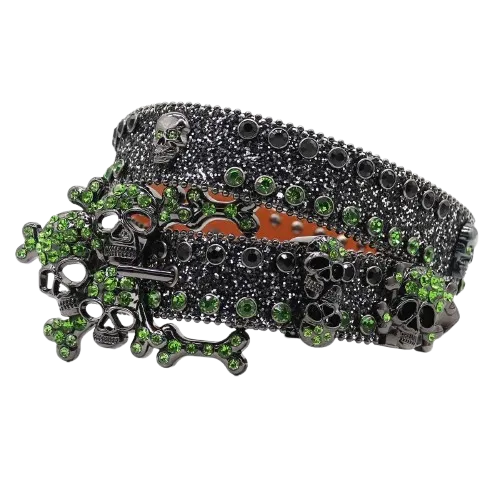
Hair-On-Hide Belts for Women
- Sale price
- $79.99 USD
- Regular price
-
$99.99 USD - Regular price
- $79.99 USD
- Unit price
- per
- Sale price
- $139.99 USD
- Regular price
-
$174.99 USD - Regular price
- $139.99 USD
- Unit price
- per
- Sale price
- $127.99 USD
- Regular price
-
$159.99 USD - Regular price
- $127.99 USD
- Unit price
- per
- Sale price
- $39.99 USD
- Regular price
-
$49.99 USD - Regular price
- $39.99 USD
- Unit price
- per
- Sale price
- $39.99 USD
- Regular price
-
$49.99 USD - Regular price
- $39.99 USD
- Unit price
- per
- Sale price
- $130.99 USD
- Regular price
-
$163.74 USD - Regular price
- $130.99 USD
- Unit price
- per
- Sale price
- $99.99 USD
- Regular price
-
$124.99 USD - Regular price
- $99.99 USD
- Unit price
- per
- Sale price
- $184.99 USD
- Regular price
-
$231.24 USD - Regular price
- $184.99 USD
- Unit price
- per
- Sale price
- $379.99 USD
- Regular price
-
$474.99 USD - Regular price
- $379.99 USD
- Unit price
- per
- Sale price
- $79.99 USD
- Regular price
-
$99.99 USD - Regular price
- $79.99 USD
- Unit price
- per
- Sale price
- $174.99 USD
- Regular price
-
$218.74 USD - Regular price
- $174.99 USD
- Unit price
- per
- Sale price
- $149.99 USD
- Regular price
-
$187.49 USD - Regular price
- $149.99 USD
- Unit price
- per
- Sale price
- $399.99 USD
- Regular price
-
$499.99 USD - Regular price
- $399.99 USD
- Unit price
- per
- Sale price
- $79.99 USD
- Regular price
-
$99.99 USD - Regular price
- $79.99 USD
- Unit price
- per
- Sale price
- $79.99 USD
- Regular price
-
$99.99 USD - Regular price
- $79.99 USD
- Unit price
- per
- Sale price
- $59.99 USD
- Regular price
-
$74.99 USD - Regular price
- $59.99 USD
- Unit price
- per
- Sale price
- $103.99 USD
- Regular price
-
$129.99 USD - Regular price
- $103.99 USD
- Unit price
- per

- Sale price
- $64.99 USD
- Regular price
-
$81.24 USD - Regular price
- $64.99 USD
- Unit price
- per
- Sale price
- $129.99 USD
- Regular price
-
$162.49 USD - Regular price
- $129.99 USD
- Unit price
- per
- Sale price
- $59.99 USD
- Regular price
-
$74.99 USD - Regular price
- $59.99 USD
- Unit price
- per
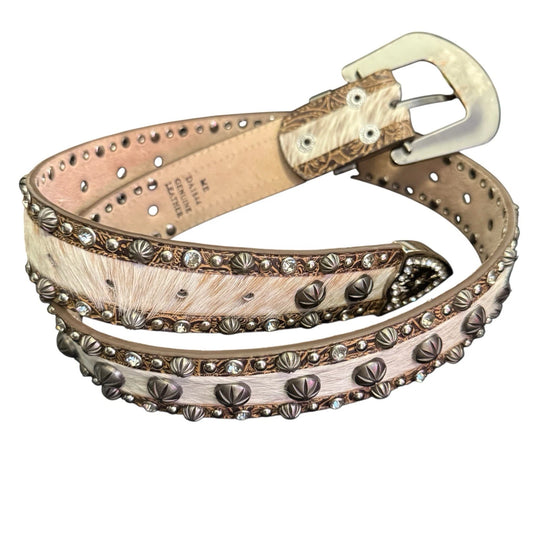
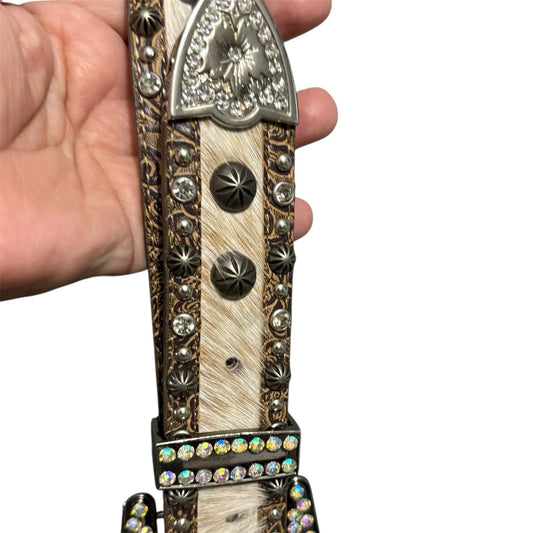
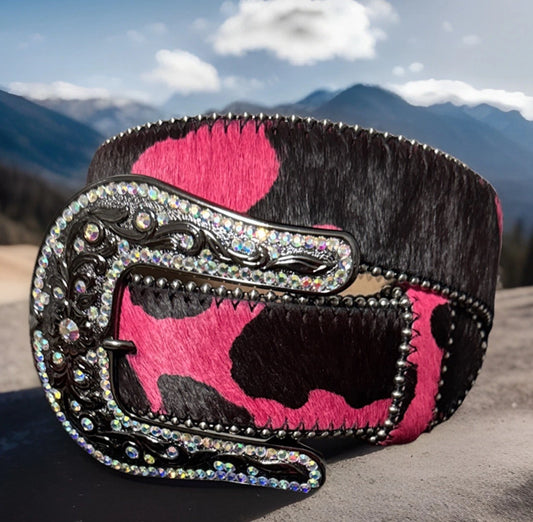
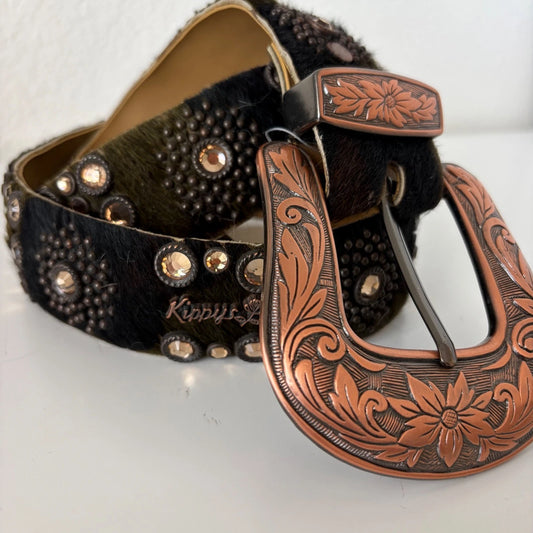
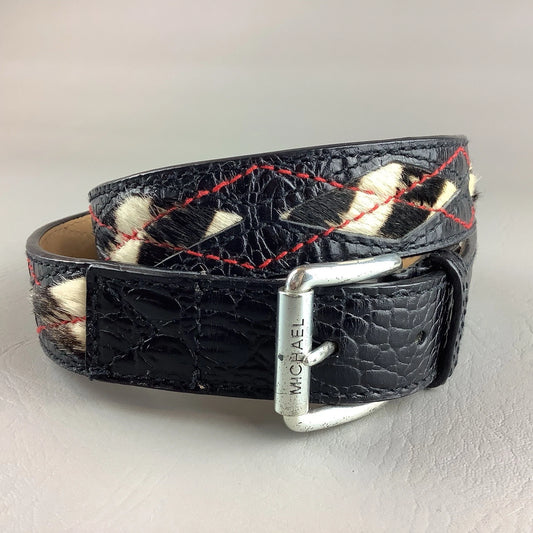
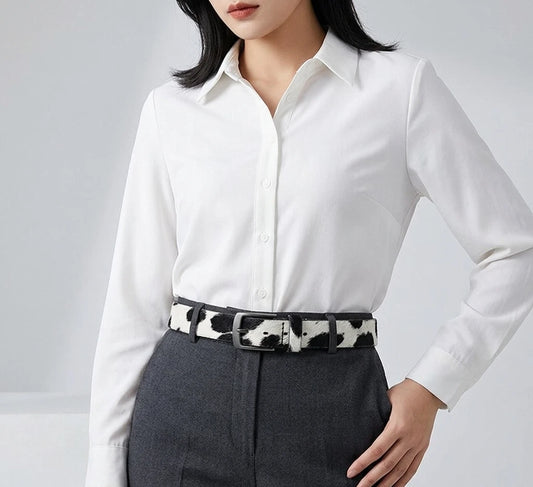
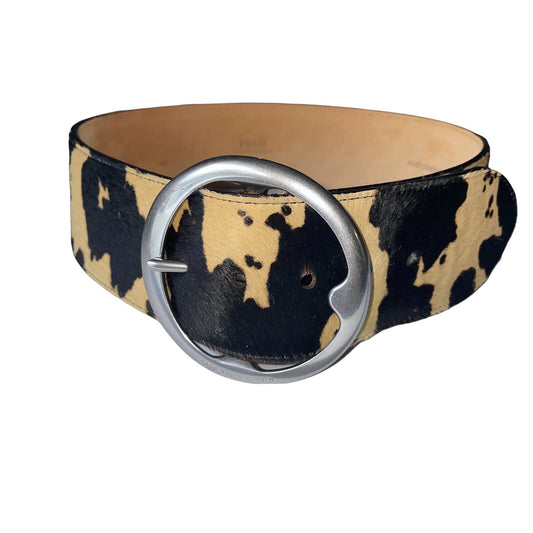
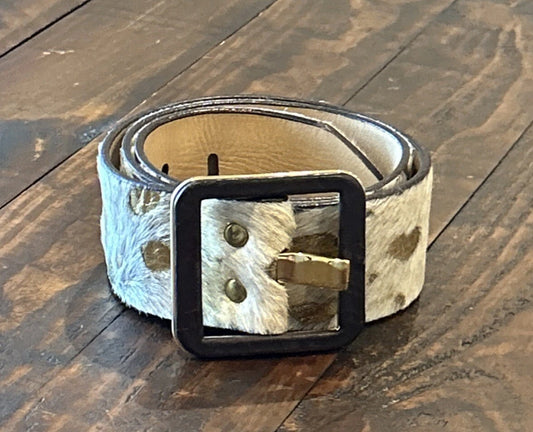
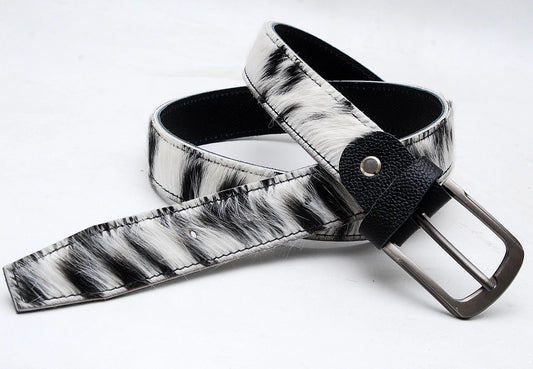
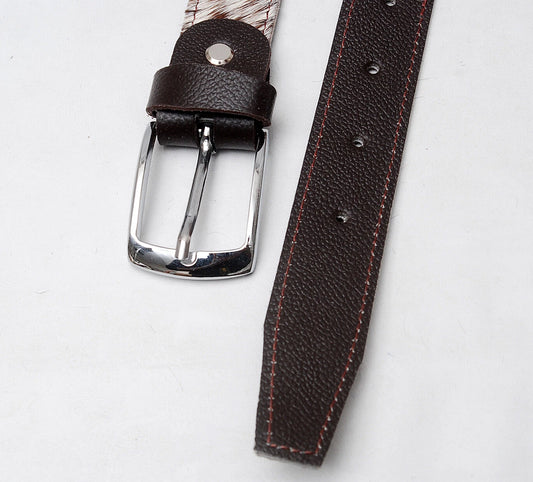
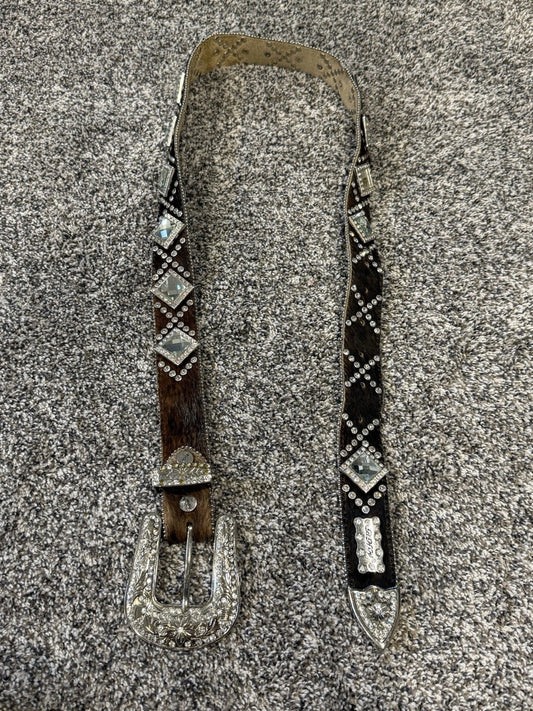
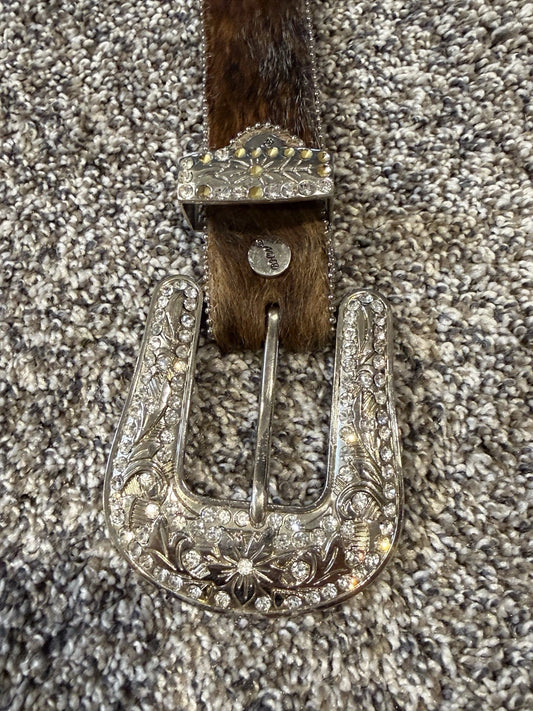
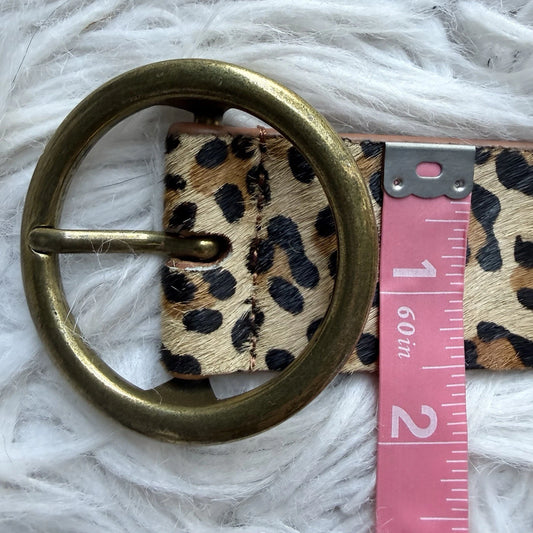
Once you've had a look through the options, a few things are worth knowing. Width changes what the belt is actually for. Go wider, around an inch and a half, and it sits securely in western-style jean loops while working as a statement piece on its own - the kind that does most of the outfit's talking. Narrower widths do better cinched over a dress or a high-waisted skirt, where you want shape without added bulk. Buckles matter just as much here. Removable concho-style buckles let you swap hardware and stretch the life of one strap, while fixed metal buckles keep things simple and feel a little more solid underfoot.
Sizing is where most people trip up. For jeans, start with your regular jean waist size and add two inches. Belts and pants just aren't measured the same way, and that extra room makes up the difference. If you're planning to wear it higher, cinched over a dress or sitting at your natural waist, measure directly there instead of guessing off your jean size - the two numbers rarely match up.
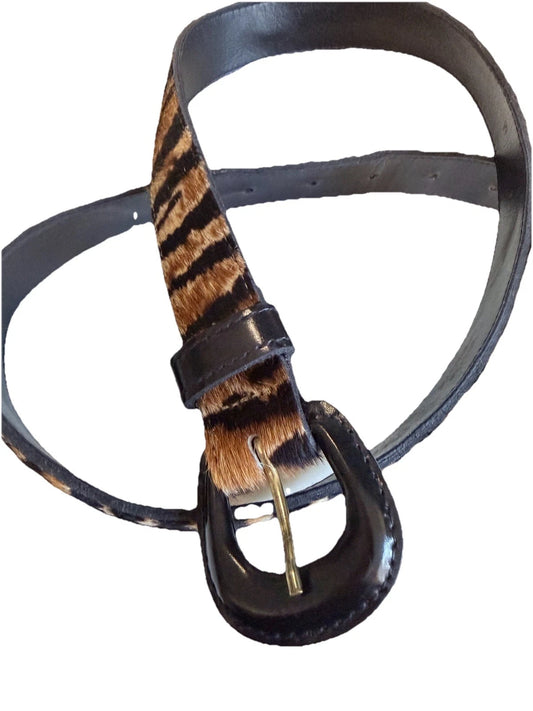
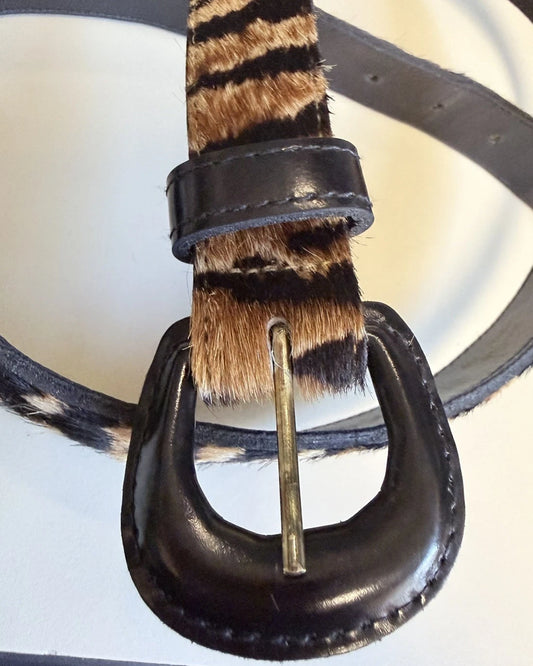
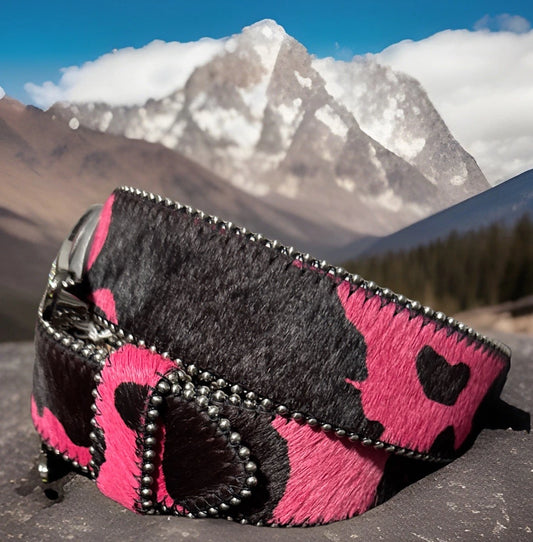
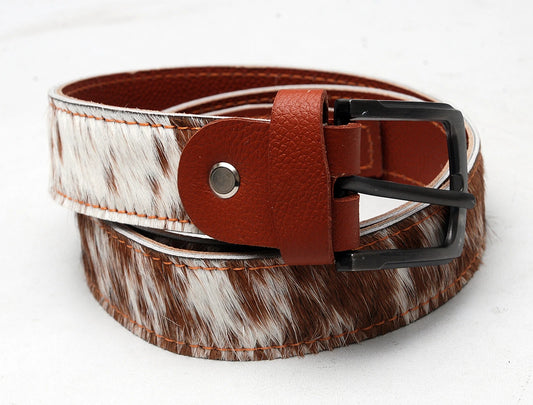
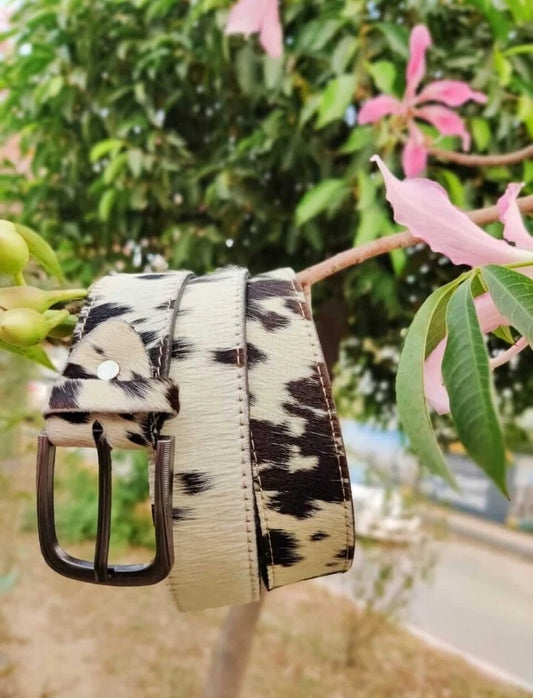
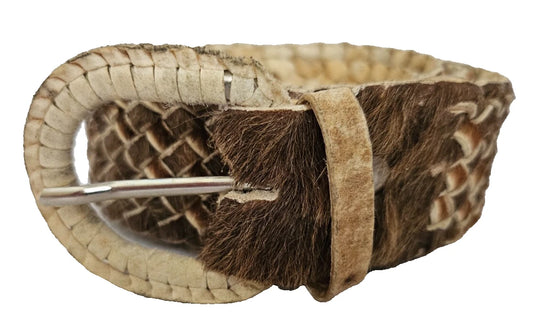
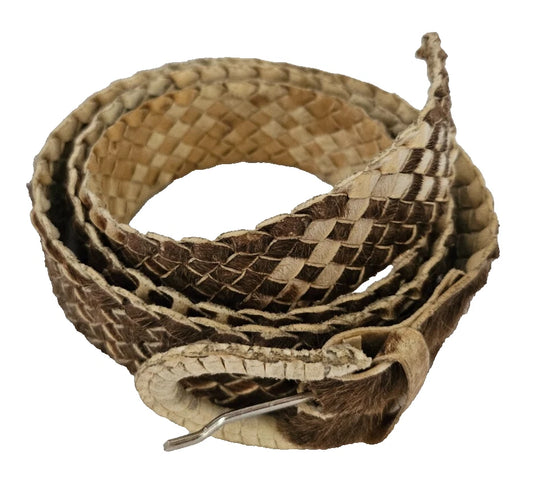
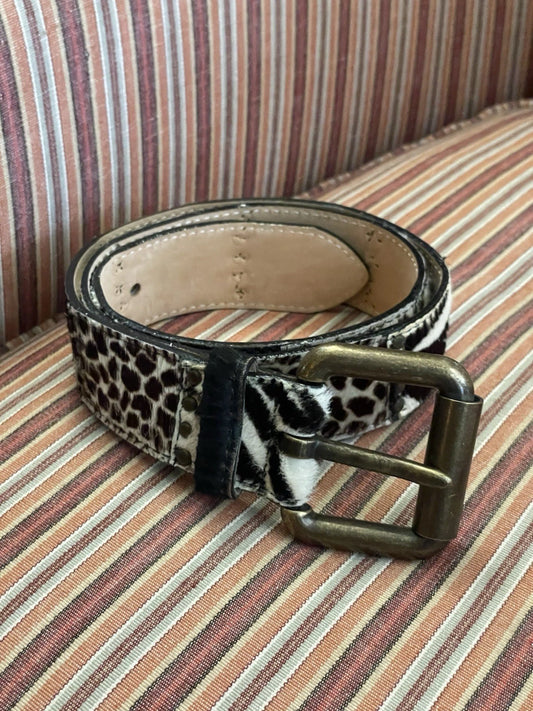
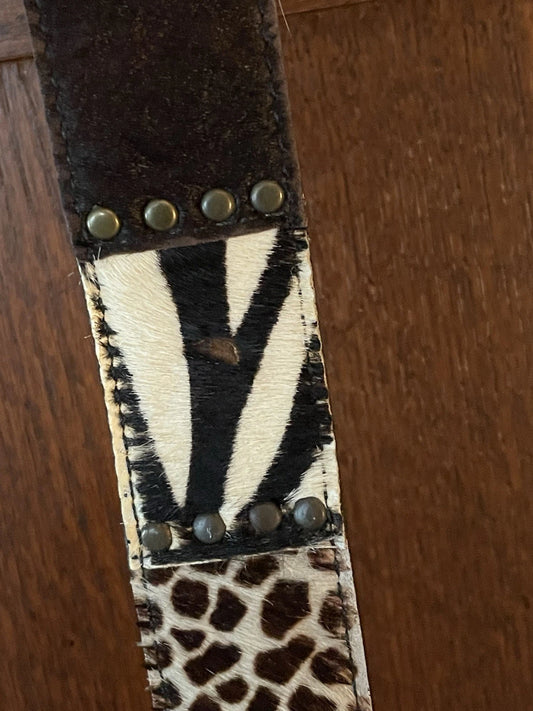
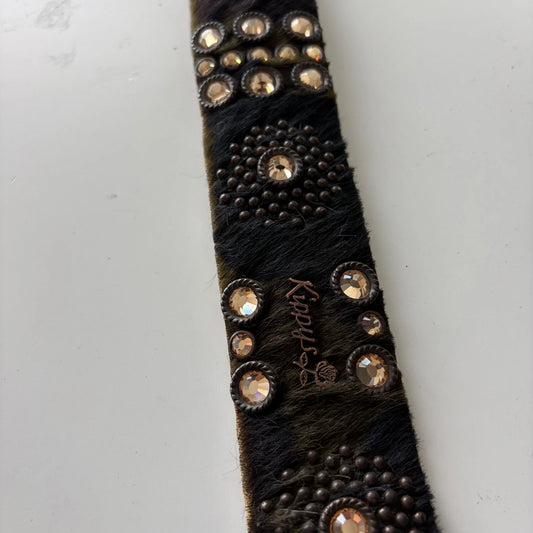
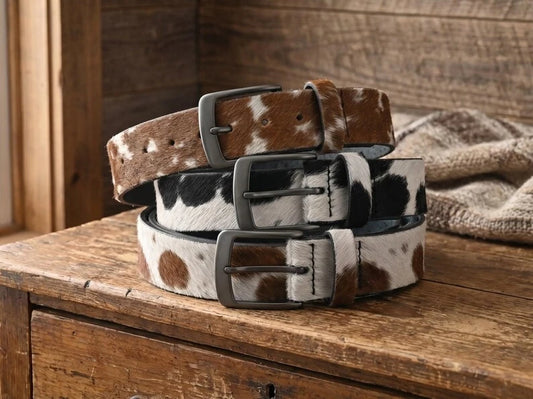
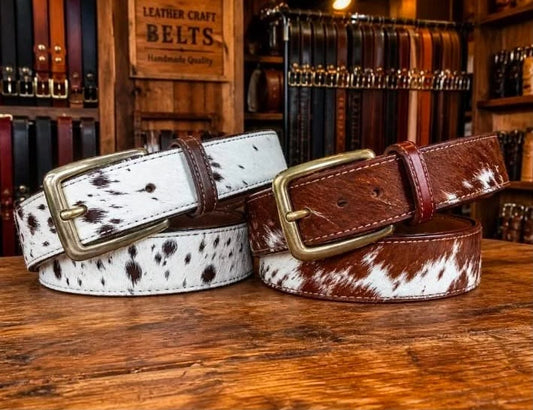
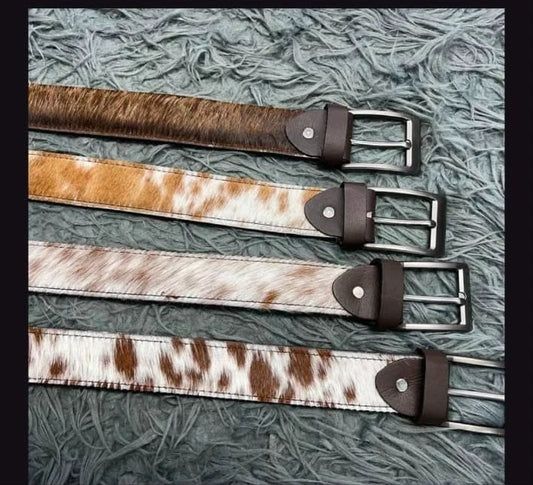
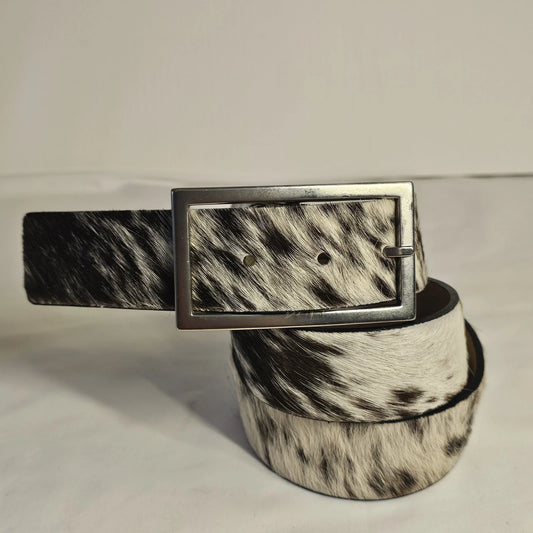
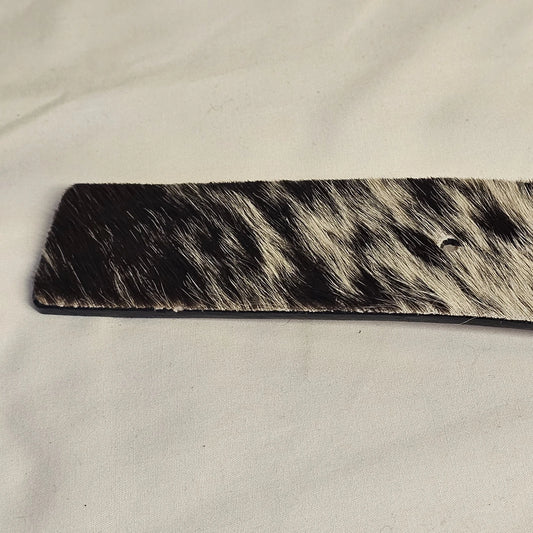
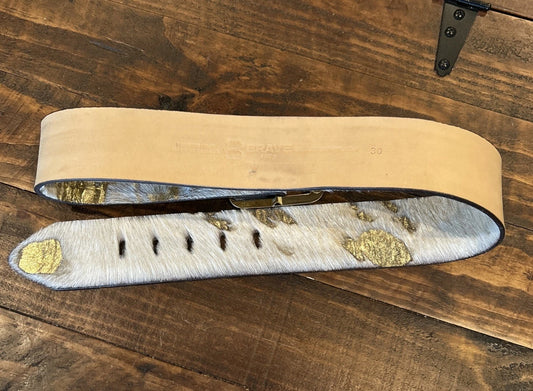
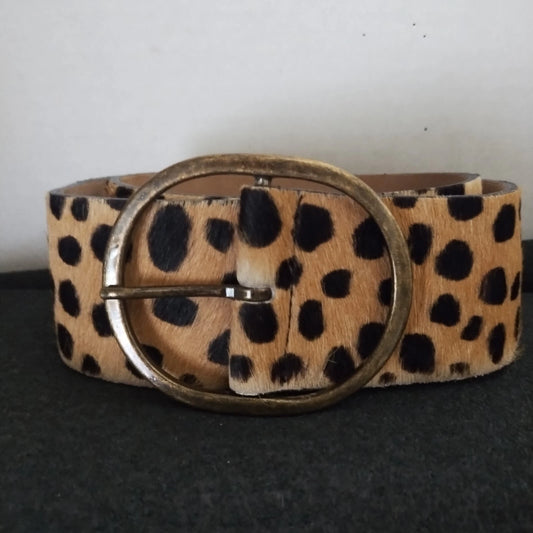
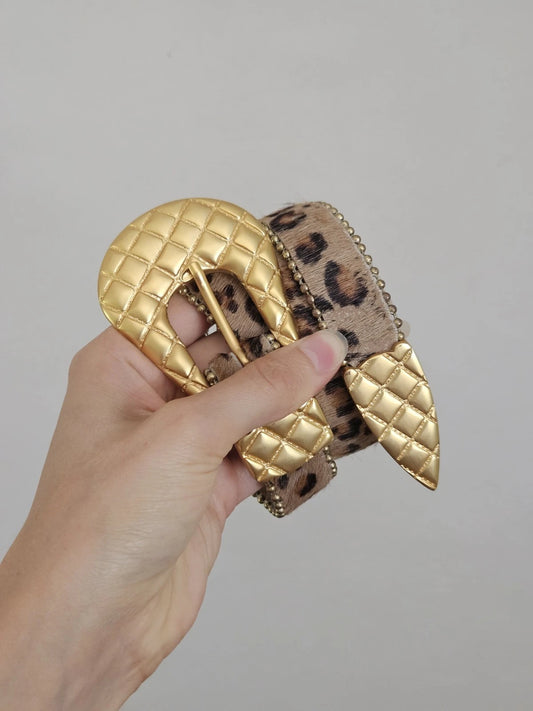
As for the patterns themselves, think of it less as a gamble and more like a lottery stacked in your favor. The spotted or brindle belt sitting in your cart might show up a shade different than the product photo, with a deeper patch here or a lighter stretch there, and that's not a flaw. That's just the hide doing what real hide does. You're not getting a repeat of the photo. You're getting your own version of it.
The other thing people ask about before buying is the hair itself. A little shedding is normal for any real hair-on-hide piece - it's fur, not a synthetic fiber, so a few loose hairs over years of wear isn't a defect, that's just what the material does. What you shouldn't see is heavy or constant shedding, and a properly tanned hide is stabilized specifically to keep that from happening. For care, brush gently in the direction the hair grows, blot spills right away instead of rubbing them in, and don't soak it in water. Caught in the rain? Blot off the excess and let it air dry away from a heater or direct sun. Heat, not water, is what actually cracks the leather backing underneath.