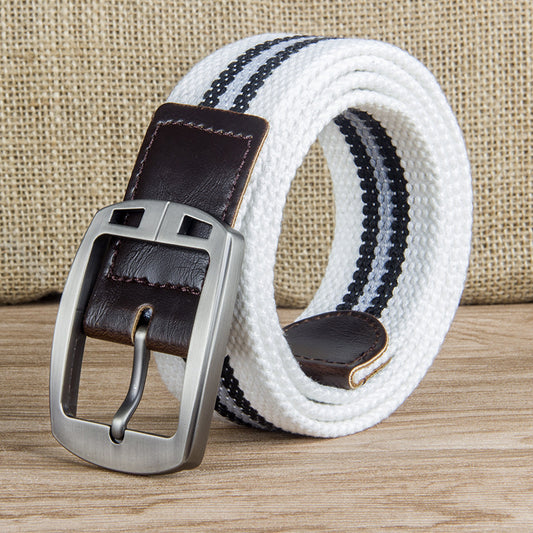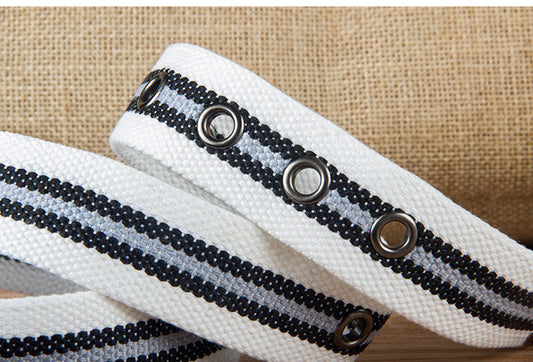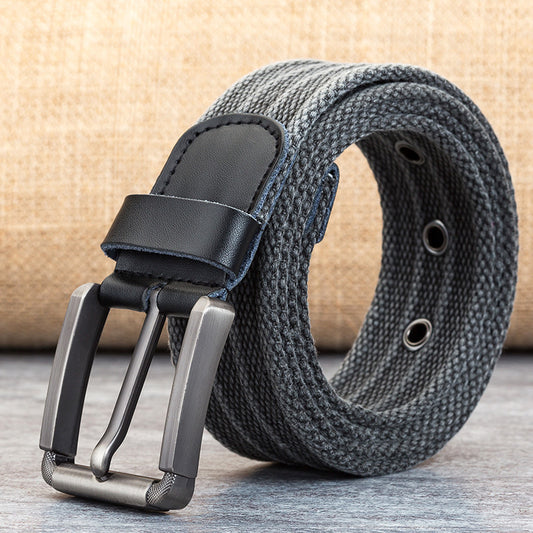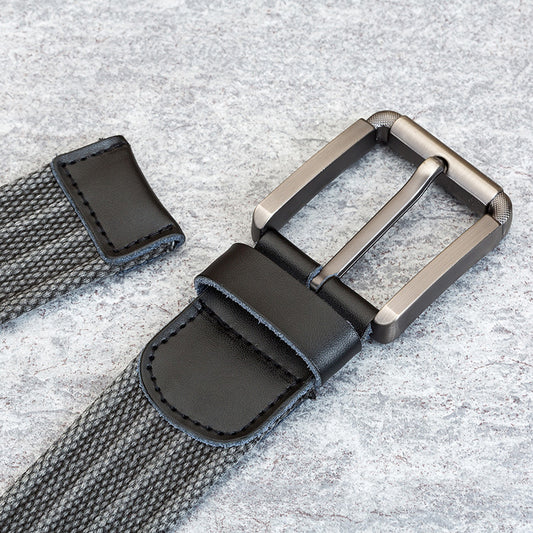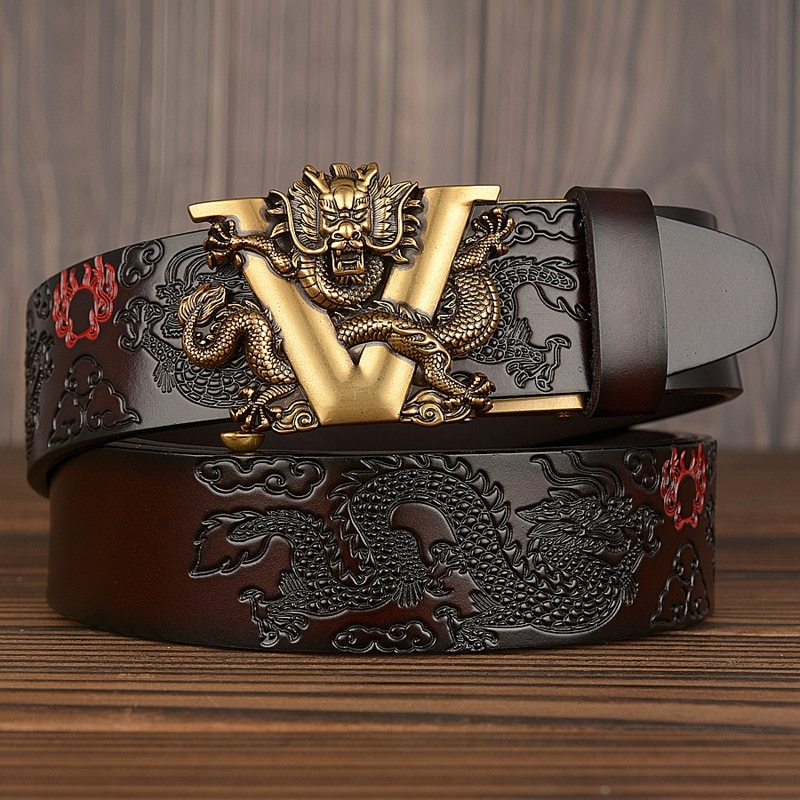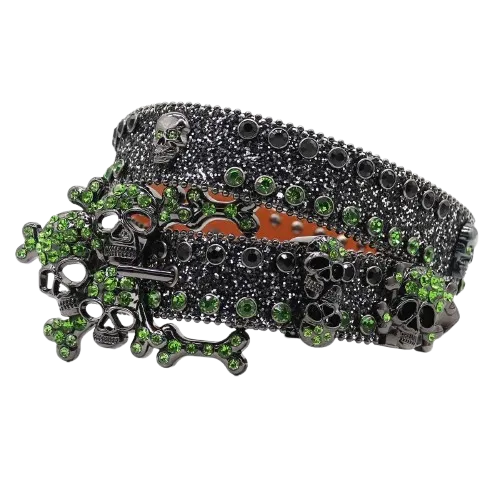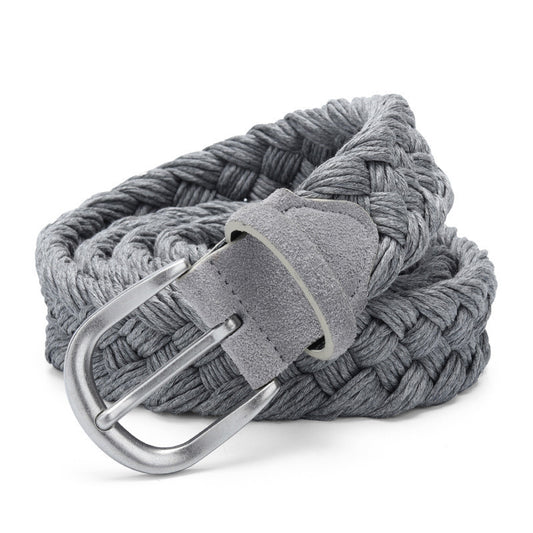
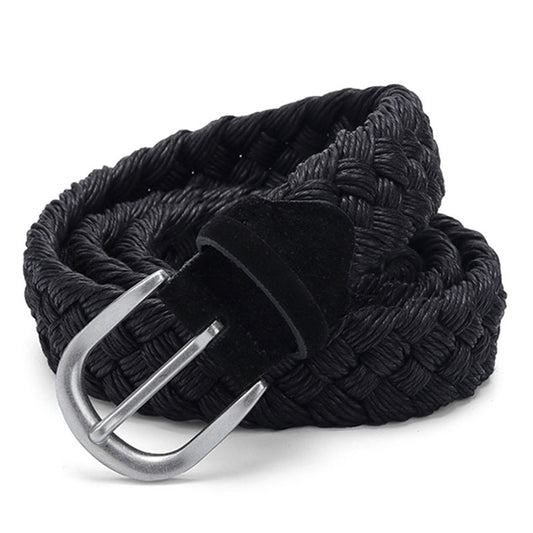
Golf Belts for Men

By the back nine, you've walked close to four miles. You've hydrated, taken around 80 full swings, and your body has done what bodies do - expanded a little, shifted, settled in. A belt that felt fine on the first tee is now digging in, pulling tight on your follow-through, and quietly adding strokes to your scorecard. That's not a minor inconvenience. That's a physical penalty baked right into your gear.

Most belts aren't built for what golf actually demands. The swing alone needs roughly 90 degrees of torso rotation - that's torque, not just movement. A belt designed for walking or standing pushes back against that rotation. One built for the course moves with it. The difference shows up in your swing, your comfort, and how you carry yourself walking into the clubhouse after a round.

At private clubs, a shirt coming untucked or a visibly worn belt is the kind of thing you notice on other people and quietly hope nobody notices on you. A well-fitted golf belt keeps everything in place - shirt included, especially if it has a silicone-grip lining - so you step off the 18th green looking about as put-together as you did on the 1st tee.

These belts are built around the 1.4-inch standard that golf pants actually require, in stretch and leather options that suit different playing styles, different climates, and different occasions. If you walk more than you ride, play summer rounds in heat and humidity, or your rounds tend to roll into dinner, there's a right answer here. Finding it takes about two minutes.

The stretch versus leather question comes up constantly, and it's worth answering properly because the right choice isn't universal - it depends on how you actually play.

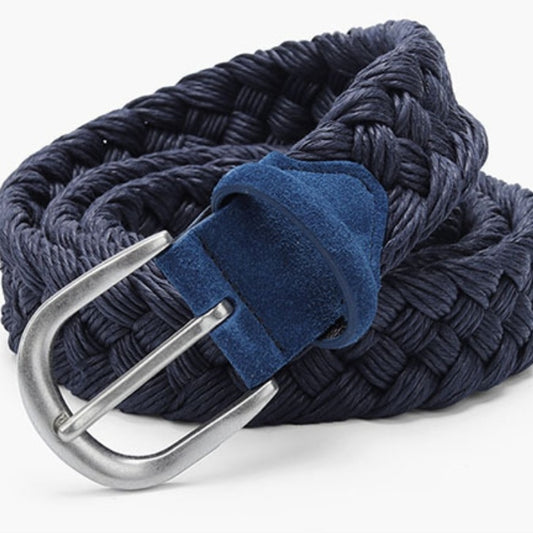
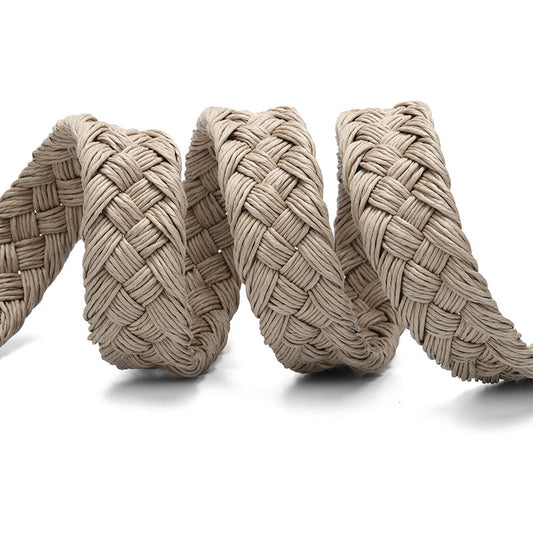
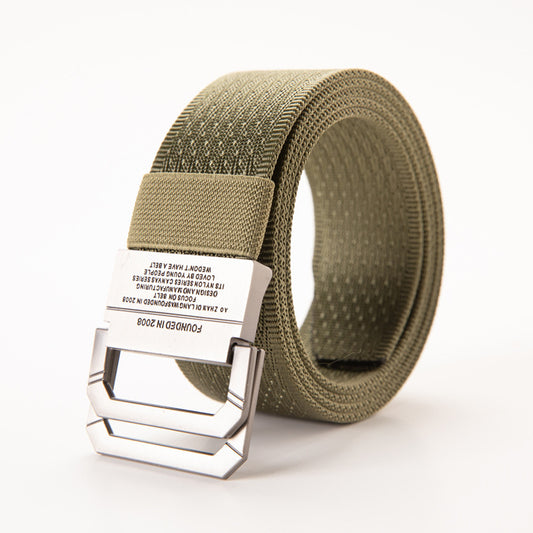
Stretch golf belts - typically woven from polyester and elastane blends - carry around 10% hyper-stretch capability. That number is specific for a reason. During a full drive, your torso rotates hard and fast. Rigid material resists that and pushes back against your midsection. Stretch material gives with the movement, which is why it's become the go-to for anyone walking 18 holes, playing in summer heat, or doing any serious cardio on the course. In humid climates - Florida, Georgia, South Carolina - stretch belts breathe better and hold up against sweat in a way that stiffer materials don't always manage. If the course-to-clubhouse transition matters to you and your post-round plans lean casual, stretch fits that too. It sits cleanly in the athleisure space without looking out of place anywhere.

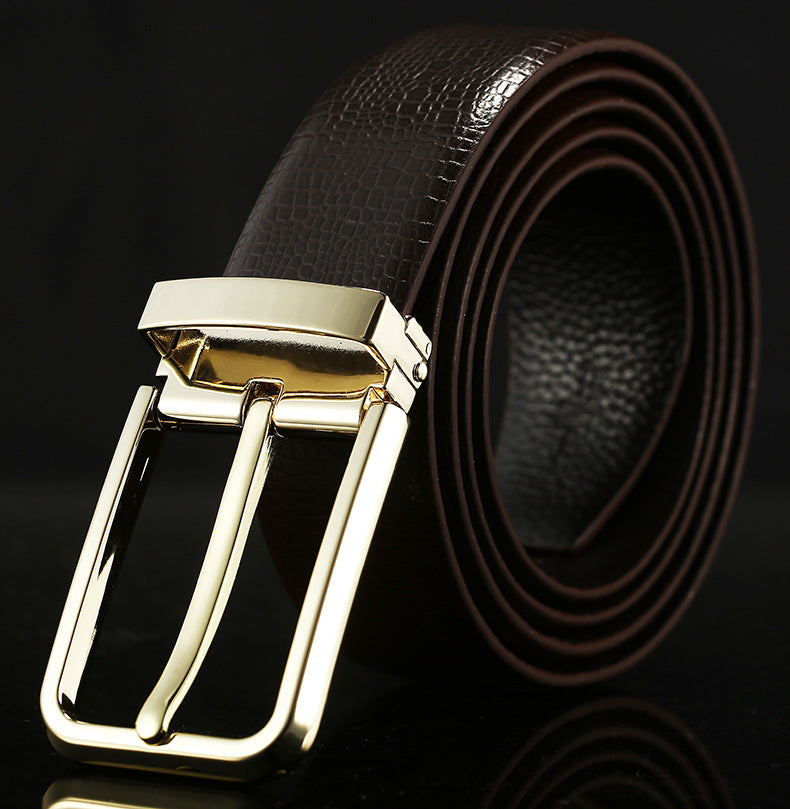
Full-grain leather is a different conversation. The appeal is durability and appearance - a well-constructed leather golf belt with anti-corrosive, humidity-resistant buckle hardware holds its shape and finish for three to five years of regular wear. The look reads more formal, which matters at traditional clubs where the expectation sits closer to business-casual than athletic. Where leather sometimes falls short is hole fatigue - punched holes stretch over time and the belt starts looking worn in a way that undercuts the whole point of buying quality. That's part of why ratchet-closure belts have pulled ahead for a lot of golfers. A no-hole belt adjusts in small micro-increments, stays precise, and keeps its appearance indefinitely. No stretched-out holes, no guessing between sizes - just the exact fit you set, every time.

Width is the spec most people overlook. Golf pants are cut narrower through the loops than everyday trousers. The standard sits at 1.4 inches - roughly 3.5 centimeters - and it matters because a belt even slightly wider than 1.5 inches will bind in the loops during a swing, causing the pants to pull or hike. That friction is subtle but it's real, and it's entirely avoidable. Staying within the 1.4-inch range also looks more proportionate with the slim and straight cuts that most golf pants run.

For anyone traveling to play - and a lot of golfers do, especially heading to Florida or Arizona - buckle material is worth checking before you pack. Non-metal and TSA-friendly hardware means no delays at security and one less thing to think about before a travel round.

Color-wise, black covers the most ground. It pairs with nearly any golf shoe and works across the widest range of outfits. Tan and brown open up well for lighter summer looks and earth-tone combinations. Grey works if your wardrobe runs toward navy, white, and neutrals. The traditional rule is to match belt to shoe, but on the course it's less strict than in a formal setting - what matters more is that the overall outfit holds together.
What Our Customers Say

★★★★★
I've gone through a few golf belts over the years. Most either looked good or felt good - rarely both. The stretch one I picked up here I've now worn for six rounds and I genuinely forgot I was wearing it by the third hole. No pinching when I'm putting, no bunching on the backswing. That's all I wanted.
Marcus T. Scottsdale, AZ
★★★★★
Buckle on my old belt rusted out after one summer down here. Humidity does a number on cheap hardware. This one hasn't budged - finish is still clean after a full season. Worth paying more for that alone.
James R. Jupiter, FL
★★★★★
Walk-only golfer, play three or four times a month in the heat. Stretch belt was the obvious call but I wasn't sure about quality at this price point. Keeps my shirt tucked even after a full round, which my old one stopped doing around hole 10. No complaints.
Kevin O. Atlanta, GA
★★★★★
Bought this as a gift because I had no idea what size to get. The ratchet style solved that completely - adjusts to wherever it needs to be, no guessing. He called it one of the better golf gifts he'd gotten, which for him is high praise.
Daniel F. Monterey, CA
★★★★★
Switched from a regular dress belt I'd been using on the course for years. The width difference alone changed how the pants sat. Didn't realize how much a slightly-too-wide belt was messing with the fit. This one sits right and doesn't move during the swing.
Chris W. Austin, TX
★★★★★
Small things add up over 18 holes. This belt stays in place, doesn't add bulk under the shirt, and looks clean enough to walk straight into the restaurant after without changing. That last part matters more than I expected.
Tony M. Charlotte, NC

Frequently Asked Questions

Do golf courses require you to wear a belt?
Most private clubs include belts as part of their dress code - they're typically expected whenever you're wearing trousers, and showing up without one at a formal club can get you turned away at the pro shop. Public courses are more relaxed about it, but a belt is still the standard expectation in most golf settings. If you're playing somewhere new, a quick look at their dress code page saves an awkward conversation at check-in.
What belt width actually fits golf pants properly?
The standard is 1.4 inches - about 3.5 centimeters. Golf pants run narrower through the belt loops than everyday trousers, so anything over 1.5 inches tends to bind during your swing and can cause the pants to pull or hike mid-rotation. Staying at or just under 1.4 inches gives you clean movement and looks proportionate with the cuts most golf pants come in.
Stretch or leather - which one's right for my game?
Stretch if you walk, play in heat or humidity, or want something that handles the torque of a full swing without fighting back. The 10% hyper-stretch construction moves with your rotation rather than against it, which makes a real difference across 18 holes on foot. Go with leather if you play at traditional clubs where the dress code is closer to business-casual, or if your rounds tend to roll into dinner. Some golfers keep one of each and rotate based on the occasion - that's not overthinking it if you play regularly.
What makes a ratchet golf belt better than a standard one?
Precision, mainly. A no-hole ratchet belt adjusts in small increments, so you get the exact fit you want rather than landing between two punched holes that are slightly too tight or slightly too loose. It holds its appearance better over time too - traditional leather belts with holes stretch out at the wear points and eventually start looking rough. A ratchet closure stays clean. It's also the smarter pick when buying as a gift, since sizing doesn't have to be exact.
Are there golf belts that work for travel?
Yes, and it's worth seeking them out if you're flying to play. Belts with non-metal or TSA-friendly buckle hardware let you move through security without removing your belt - minor convenience, but it adds up across multiple trips. If you're heading somewhere coastal or humid, also look for anti-corrosive buckle hardware. Cheap metal finishes won't survive a Florida summer.
How long should a quality golf belt actually last?
With full-grain leather or a well-constructed stretch weave and properly finished buckle hardware, three to five years of regular use is a reasonable expectation before anything starts to visibly wear. The buckle is usually the first failure point on cheaper belts - the finish chips or the mechanism loosens. Paying attention to hardware quality upfront is what separates a belt you replace every season from one that holds up for years.
What color golf belt is easiest to style?
Black is the most versatile - works with virtually any shoe color and pairs across the widest range of outfits without requiring much thought. Tan and brown open up nicely for lighter, summer-weight looks. Grey is a solid middle-ground option if your wardrobe runs toward navy, white, and neutral tones. The traditional approach is to match your belt to your shoes, but on the course it's less rigid than a formal setting - overall outfit cohesion matters more than strict color matching.
Are these belts suitable for women, or are they cut specifically for men?
The collection includes styles built for both. Women's cuts typically feature slimmer profiles, colored stone options, and waist-defining silhouettes that work over dresses, denim skirts, or high-waisted jeans. Men's cuts run wider with bolder buckle hardware and full-profile leather. Shopping for a bachelorette outfit in Nashville, a Stagecoach festival look, or cowgirl core accessories? The women's styles here are designed for that kind of wear - not just adapted from men's sizing.