Women's Western Belts
- Sale price
- $39.99 USD
- Regular price
-
$64.99 USD - Regular price
- $39.99 USD
- Unit price
- per
- Sale price
- $29.99 USD
- Regular price
-
$49.99 USD - Regular price
- $29.99 USD
- Unit price
- per
- Sale price
- $39.99 USD
- Regular price
-
$64.99 USD - Regular price
- $39.99 USD
- Unit price
- per
- Sale price
- $79.99 USD
- Regular price
-
$119.99 USD - Regular price
- $79.99 USD
- Unit price
- per
- Sale price
- $29.99 USD
- Regular price
-
$49.99 USD - Regular price
- $29.99 USD
- Unit price
- per
- Sale price
- $29.99 USD
- Regular price
-
$49.99 USD - Regular price
- $29.99 USD
- Unit price
- per
- Sale price
- $29.99 USD
- Regular price
-
$49.99 USD - Regular price
- $29.99 USD
- Unit price
- per
- Sale price
- $29.99 USD
- Regular price
-
$49.99 USD - Regular price
- $29.99 USD
- Unit price
- per
- Sale price
- $29.99 USD
- Regular price
-
$49.99 USD - Regular price
- $29.99 USD
- Unit price
- per
- Sale price
- $29.99 USD
- Regular price
-
$49.99 USD - Regular price
- $29.99 USD
- Unit price
- per
- Sale price
- $29.99 USD
- Regular price
-
$49.99 USD - Regular price
- $29.99 USD
- Unit price
- per
- Sale price
- $29.99 USD
- Regular price
-
$49.99 USD - Regular price
- $29.99 USD
- Unit price
- per
- Sale price
- $29.99 USD
- Regular price
-
$49.99 USD - Regular price
- $29.99 USD
- Unit price
- per
- Sale price
- $29.99 USD
- Regular price
-
$49.99 USD - Regular price
- $29.99 USD
- Unit price
- per
- Sale price
- $29.99 USD
- Regular price
-
$49.99 USD - Regular price
- $29.99 USD
- Unit price
- per
- Sale price
- $29.99 USD
- Regular price
-
$49.99 USD - Regular price
- $29.99 USD
- Unit price
- per
- Sale price
- $29.99 USD
- Regular price
-
$49.99 USD - Regular price
- $29.99 USD
- Unit price
- per
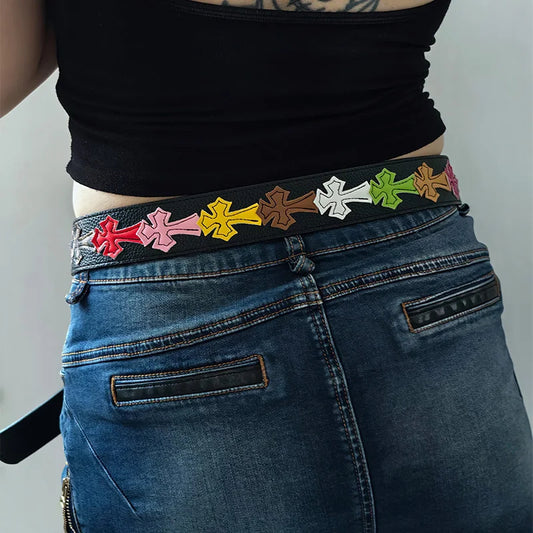
- Sale price
- $29.99 USD
- Regular price
-
$49.99 USD - Regular price
- $29.99 USD
- Unit price
- per
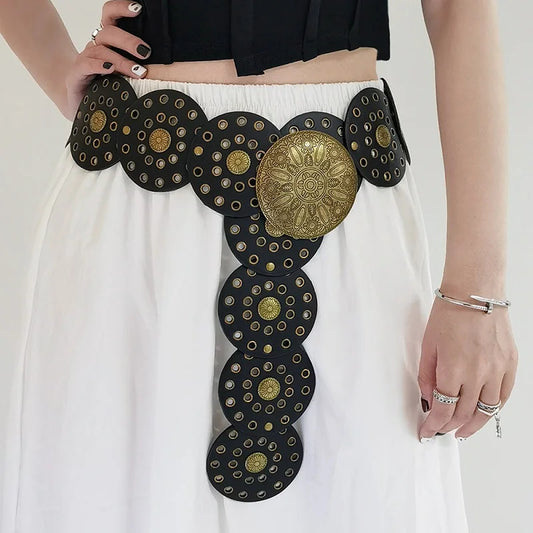
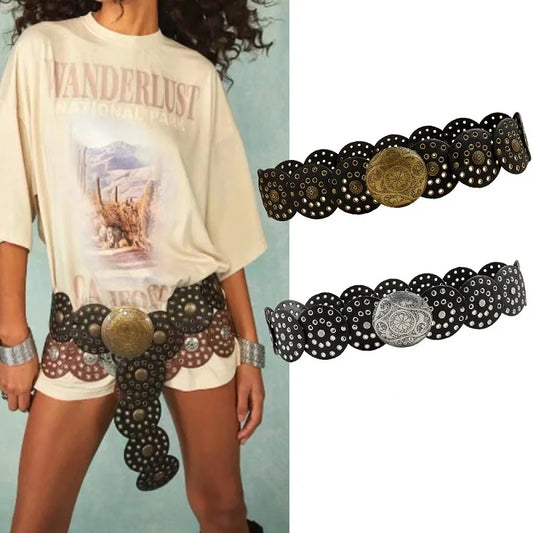
- Sale price
- $29.99 USD
- Regular price
-
$49.99 USD - Regular price
- $29.99 USD
- Unit price
- per
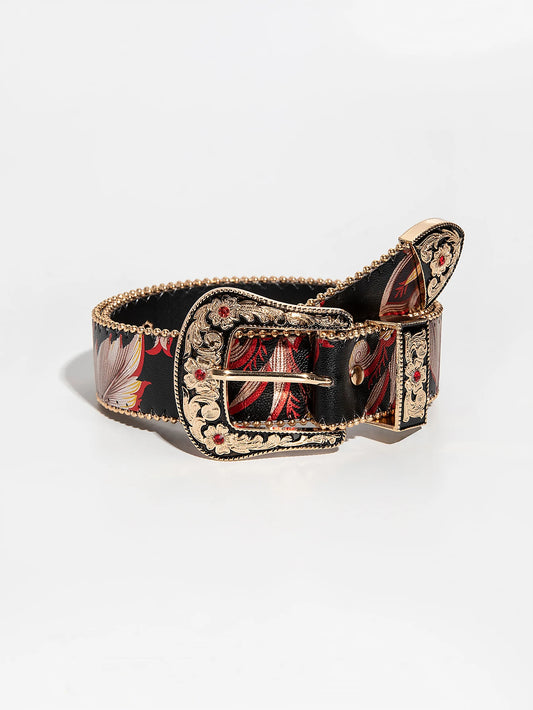
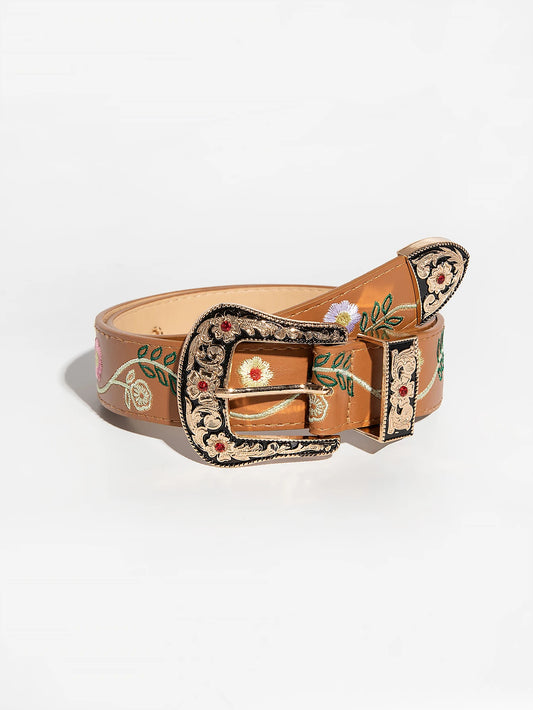
- Sale price
- $29.99 USD
- Regular price
-
$49.99 USD - Regular price
- $29.99 USD
- Unit price
- per
Women's Western Belt Styles - Finding What Works for You
Once you've browsed the grid, a few things tend to come up. Which leather style works for which occasion. How to match buckle size to your proportions and your belt loops. Whether a more decorated belt is too much for everyday wear or just right. Worth going through each.
The Traditionalist - Hand-Tooled Leather
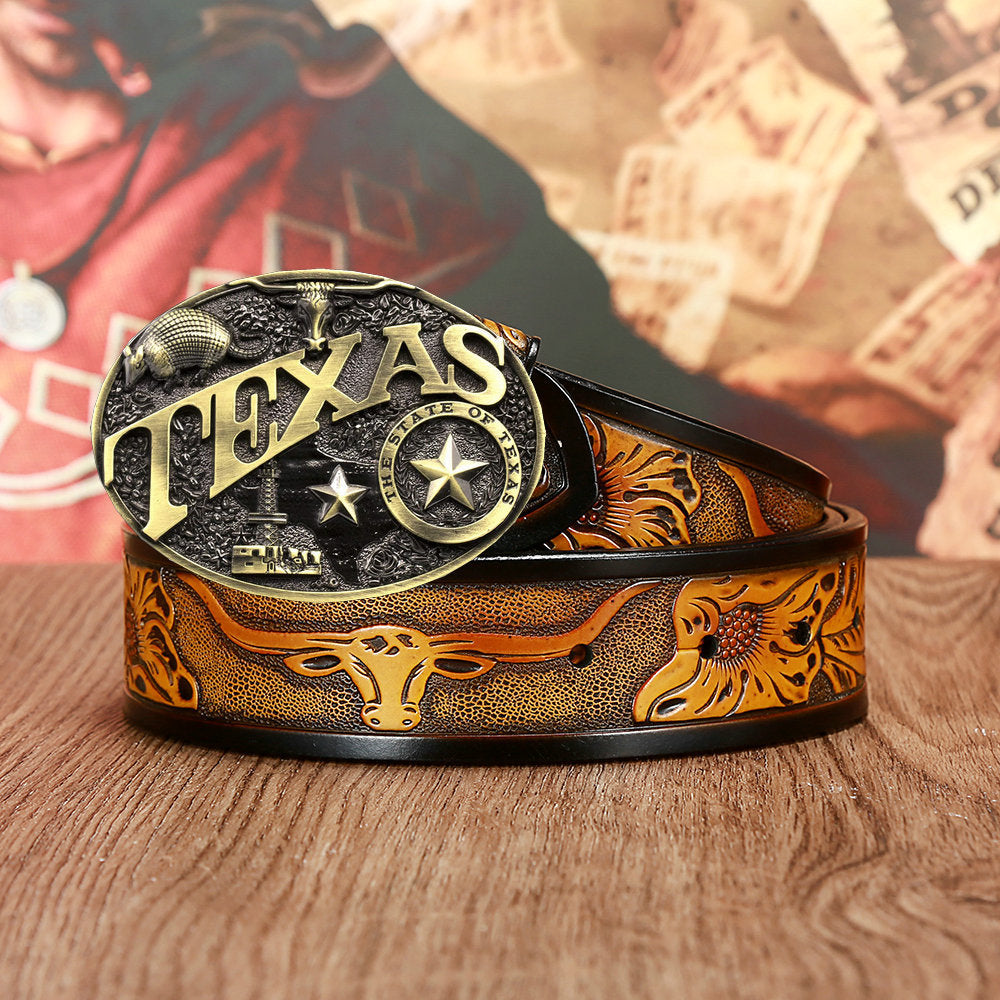
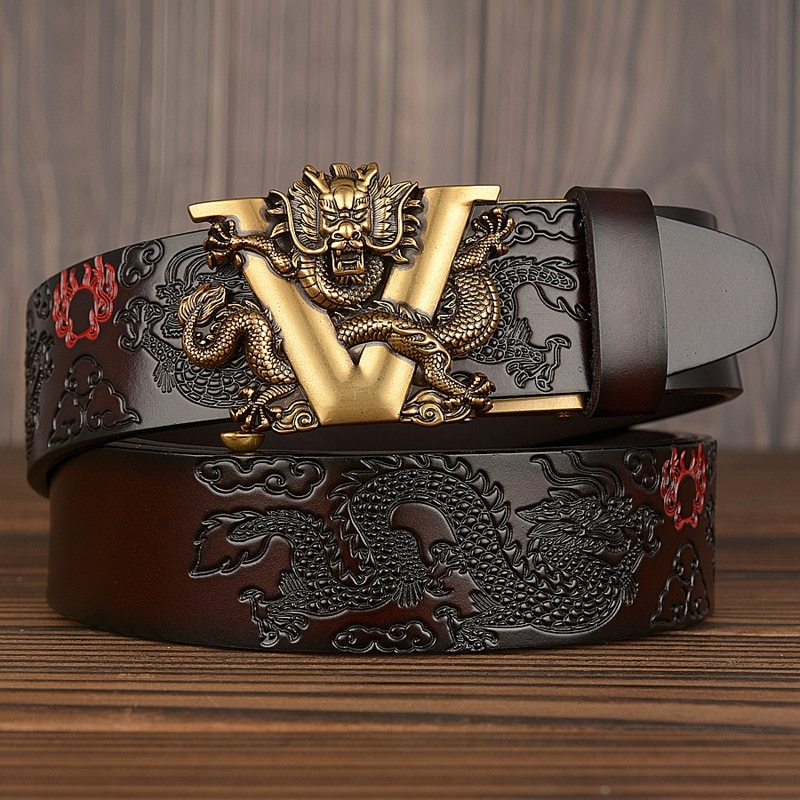
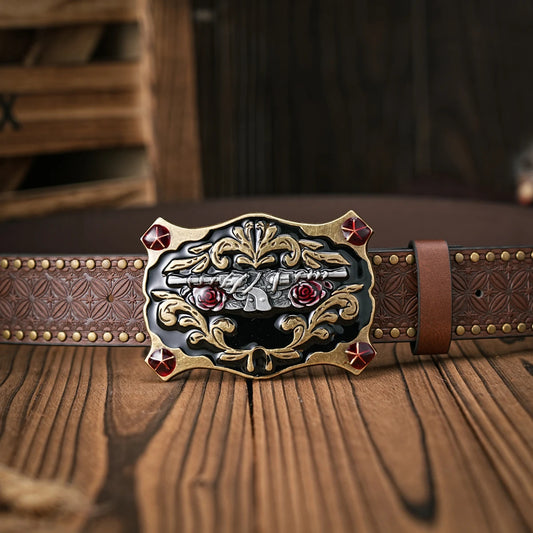
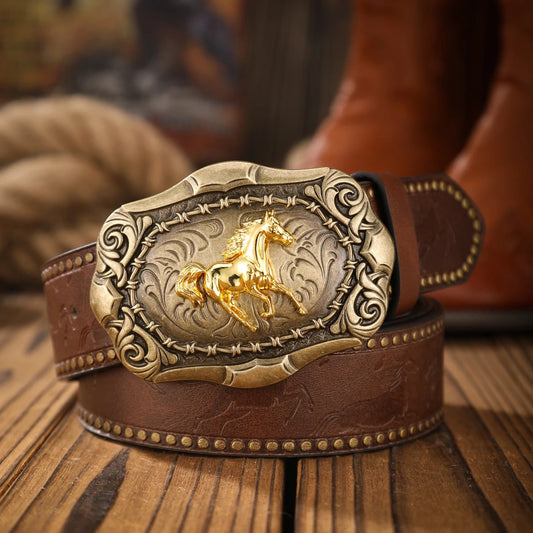
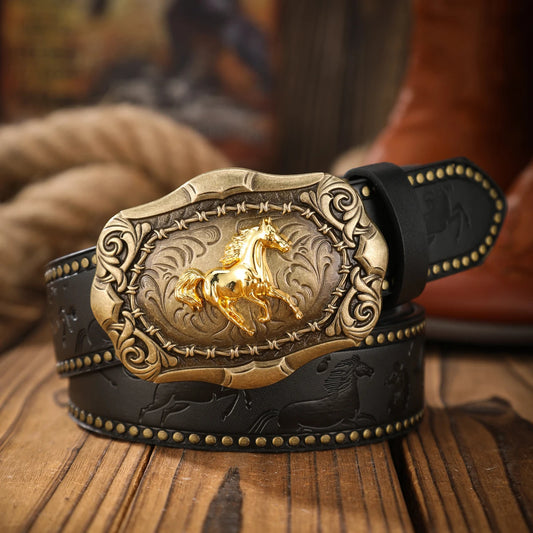
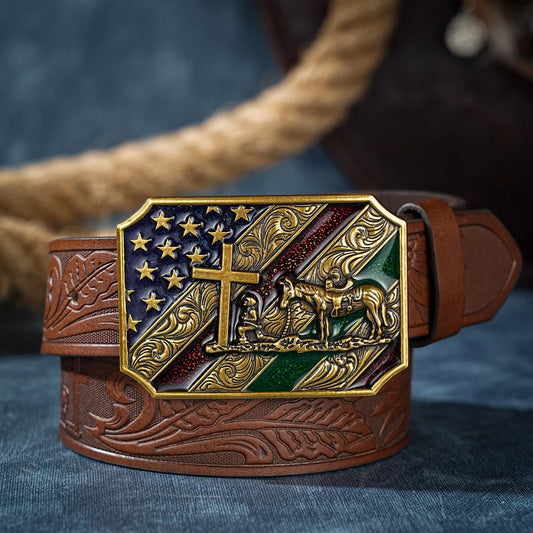
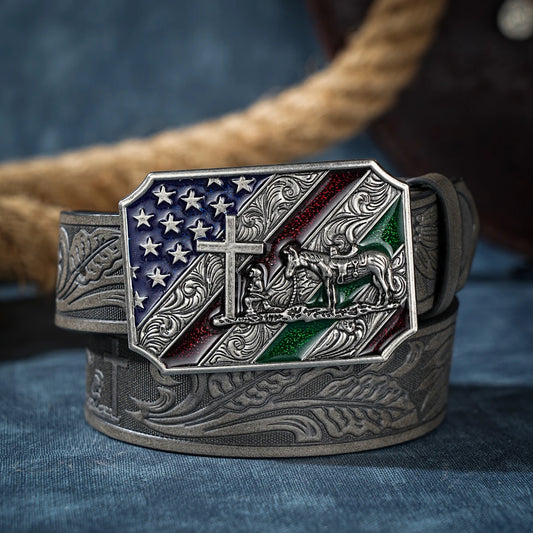
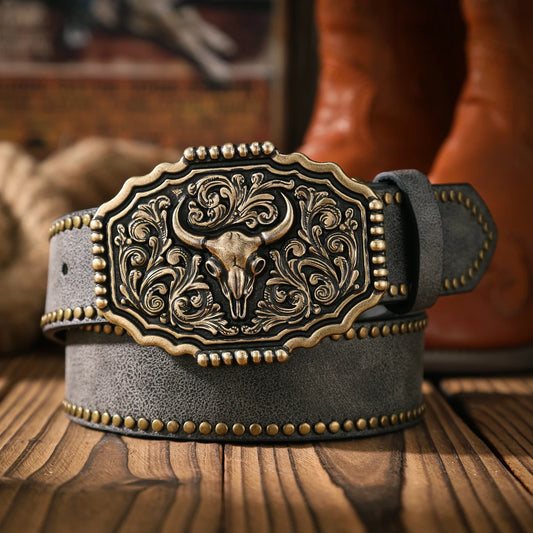
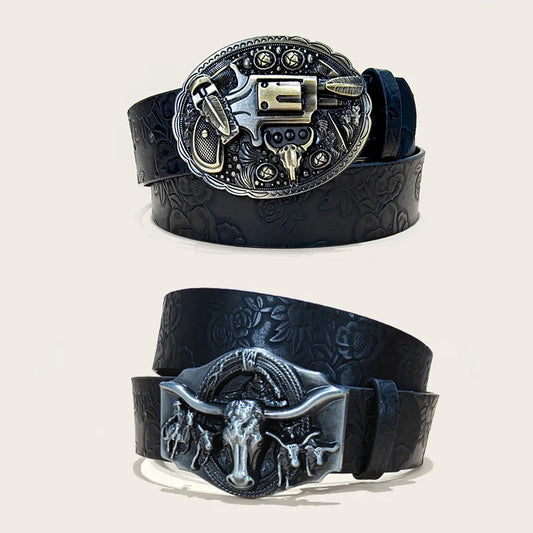
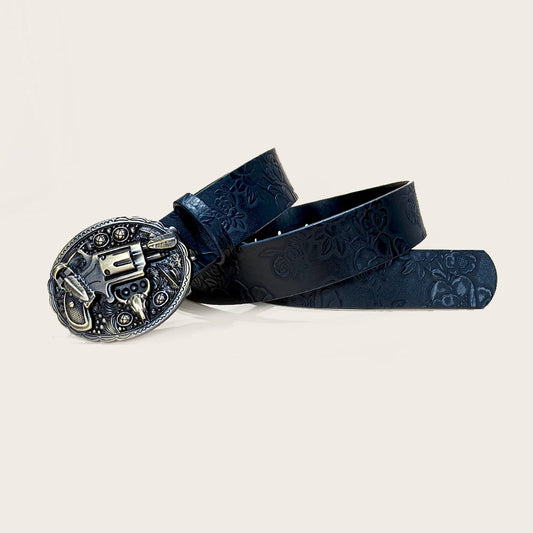
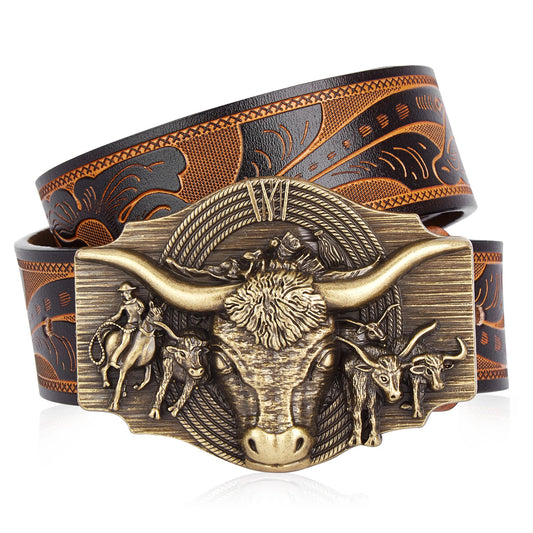
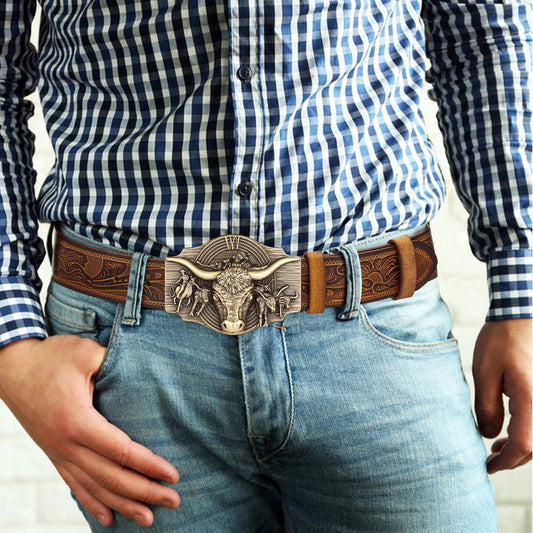
Tooled leather western belts are made by dampening the leather surface and carving or stamping patterns into it by hand - floral motifs, geometric designs, southwestern-inspired work. The process is labor-intensive and the results show it. You get texture, depth, and a look that's distinctly western without needing anything else from the rest of the outfit.
A tooled leather western belt for women works best when everything else is relatively simple. Bootcut jeans, a classic shirt, western boots. The belt carries the visual weight on its own. If you're putting together a look for a country concert or a rodeo, this is the style that photographs well and holds up through a full day without looking like it's trying too hard.
The Modern Minimalist - Smooth Leather
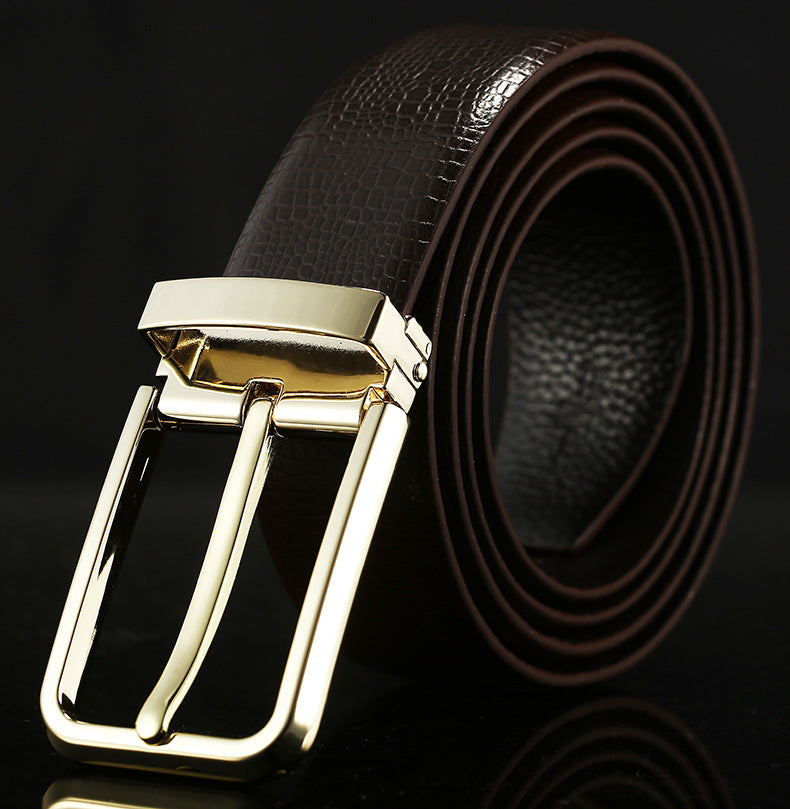
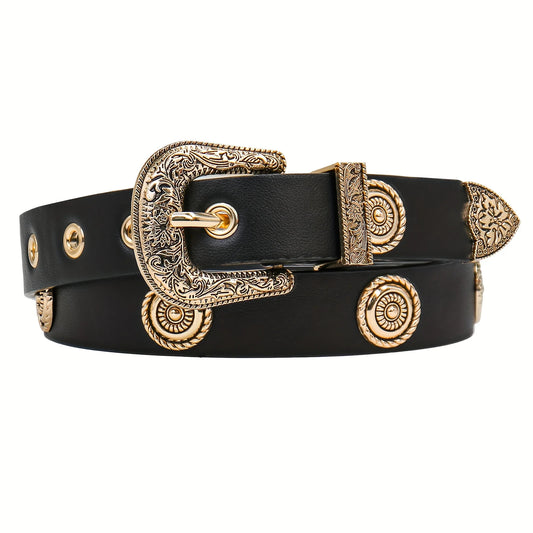
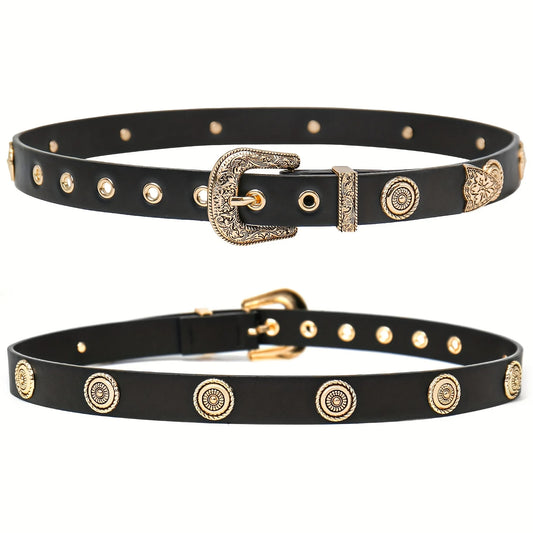
Smooth leather is where versatility lives. A clean strap in cognac or chocolate brown, with well-finished edges and solid hardware, works just as well dressed up as it does dressed down. It reads western when that's the context, but it doesn't demand one.
For anyone who wants one belt that moves across multiple outfit types - denim on a Tuesday, a dress on a Saturday - smooth leather is the practical starting point. Cognac tends to work better with lighter denim washes and warm-toned outfits. Chocolate brown sits better with dark indigo, black denim, richer colors. It's a small distinction but it makes a real difference when you're building a complete look.
Choosing the Right Buckle
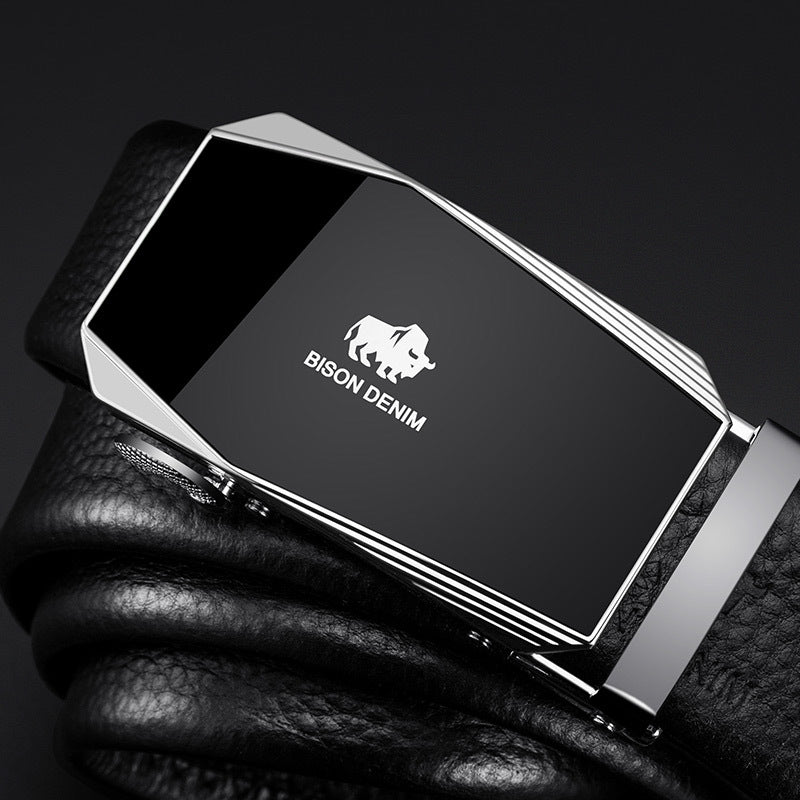
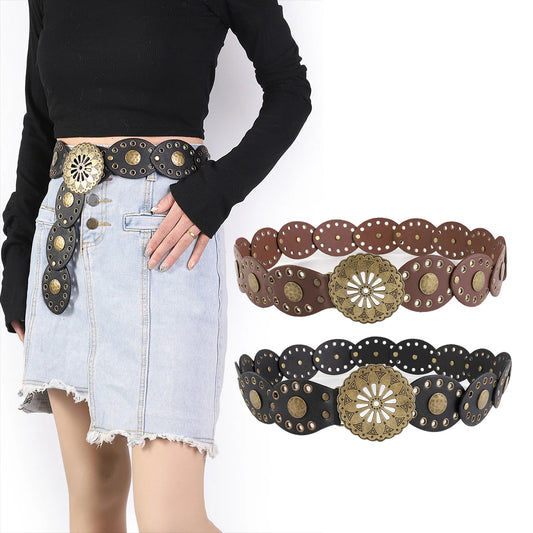
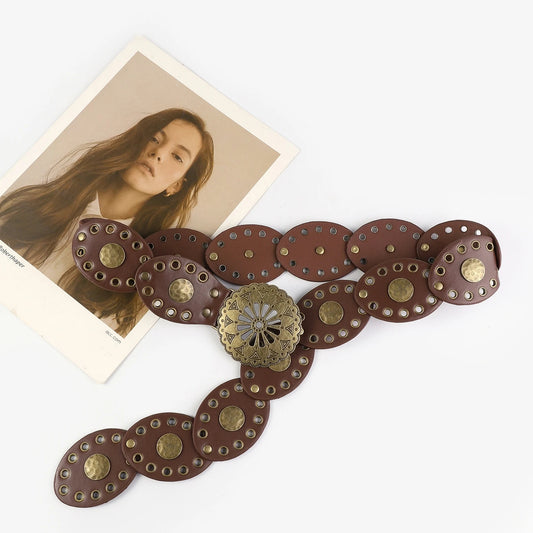
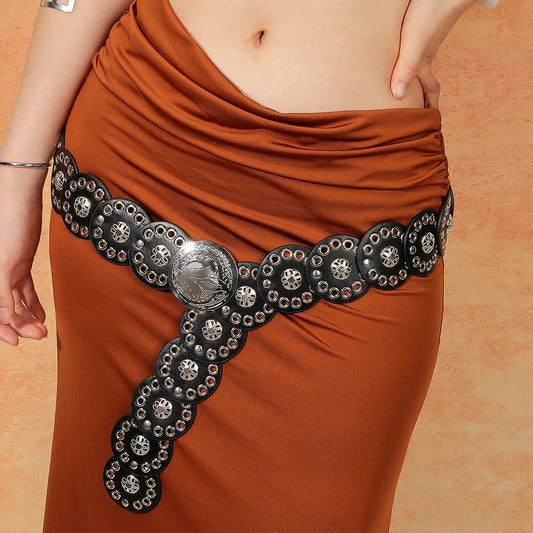
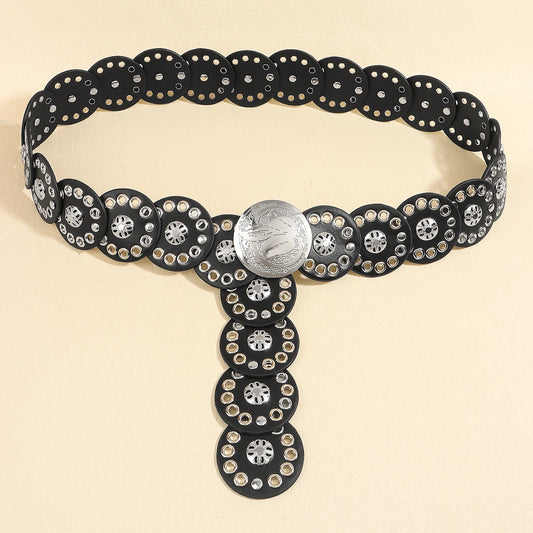
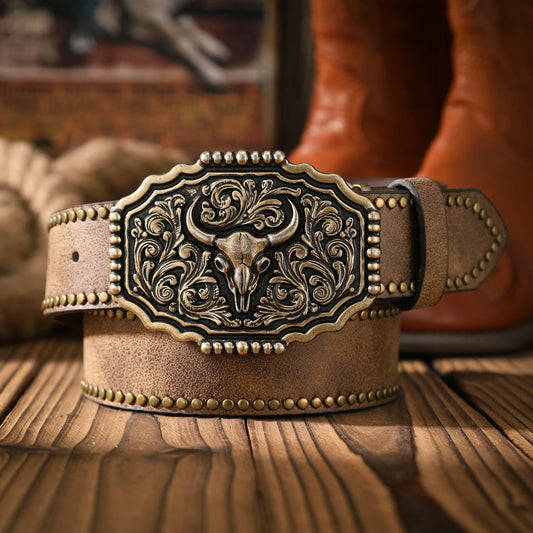
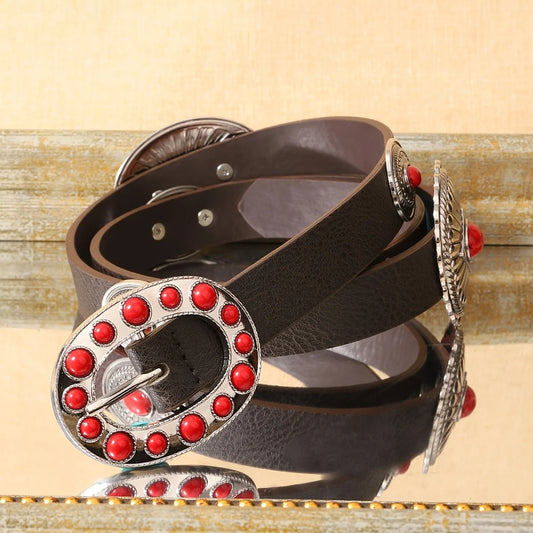
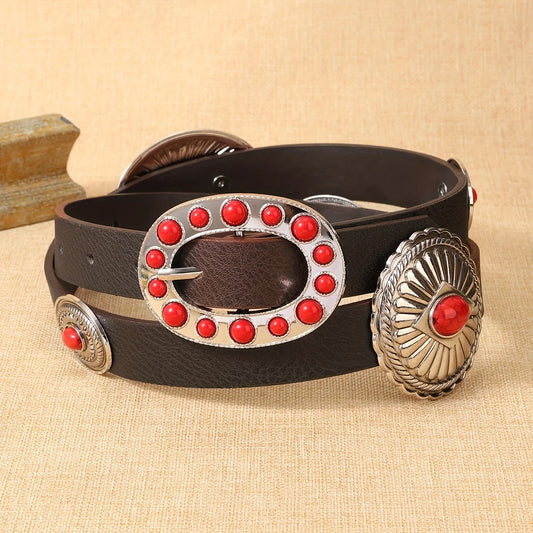
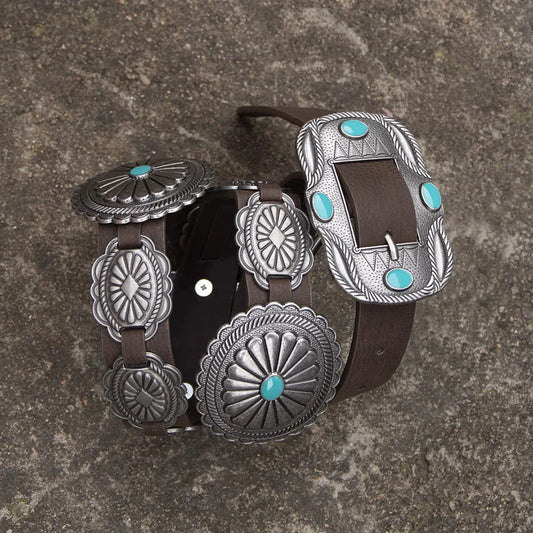
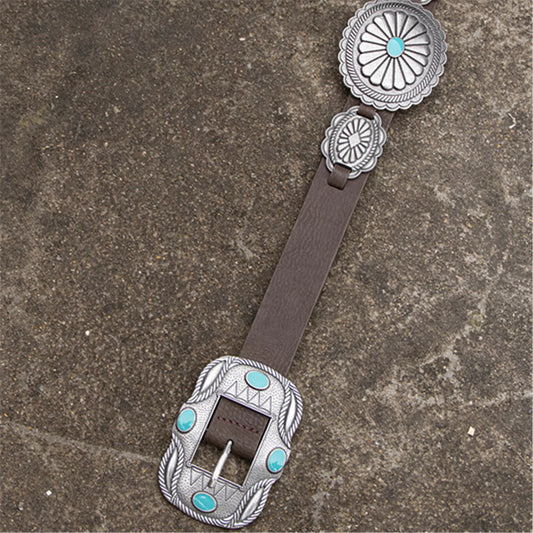
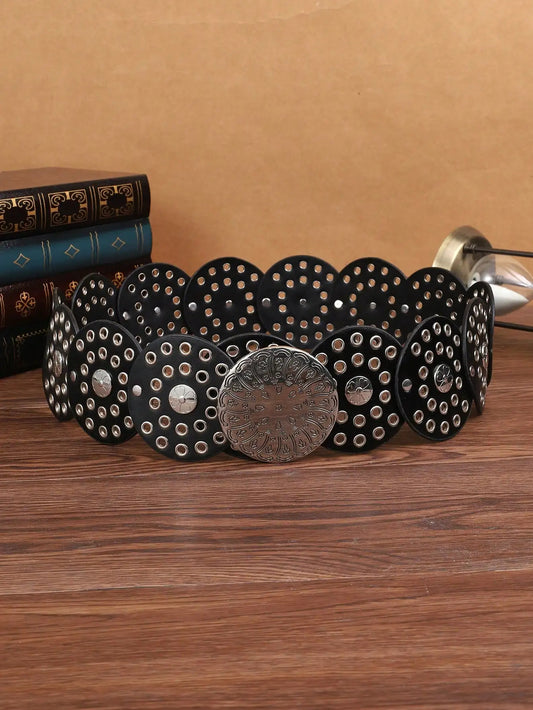
Buckle size is really a proportions conversation. An oversized engraved buckle is a statement - it's meant to be seen, and it works when the rest of the outfit gives it room. For slimmer silhouettes or narrower belt loops, a medium buckle in antique silver-tone or burnished brass tends to look more intentional. Concho-style buckles sit somewhere in the middle - visual presence without bulk, and they translate well from everyday wear to festival-ready looks.
Hardware weight is worth paying attention to. A buckle with actual heft sits flat, stays in place, and doesn't develop that forward roll that cheaper hardware tends to get over time. It's one of the more reliable signs of how a belt is going to hold up.
Western Belt with Dresses - A Quick Reference
This trips people up more than it should. Here's how to think about it:
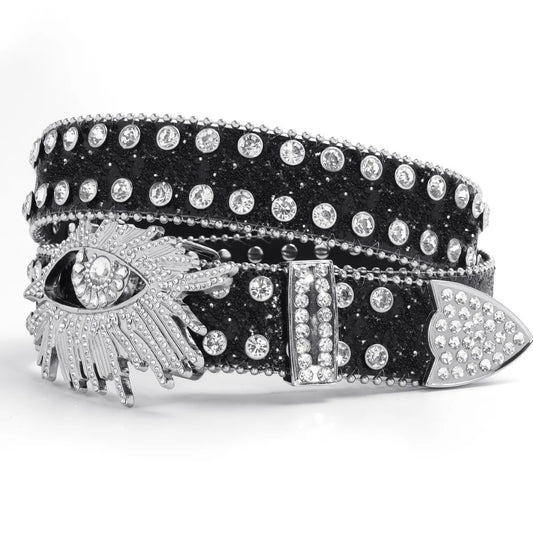
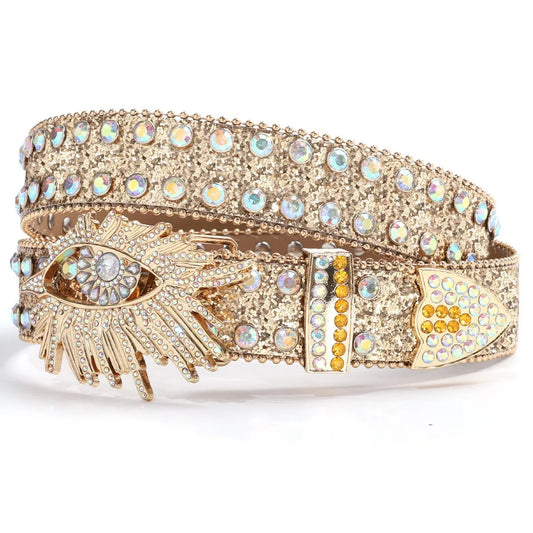
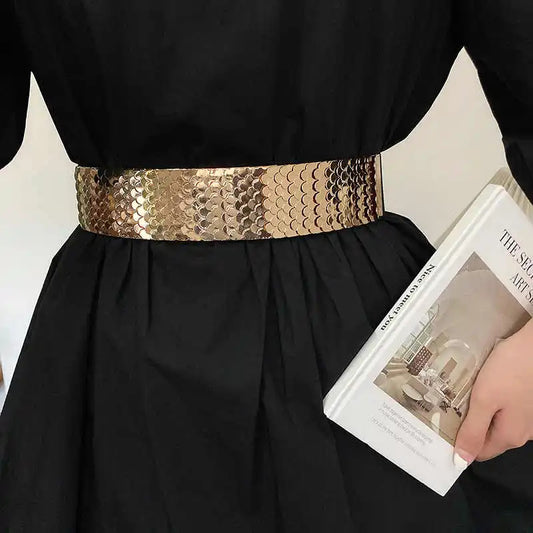
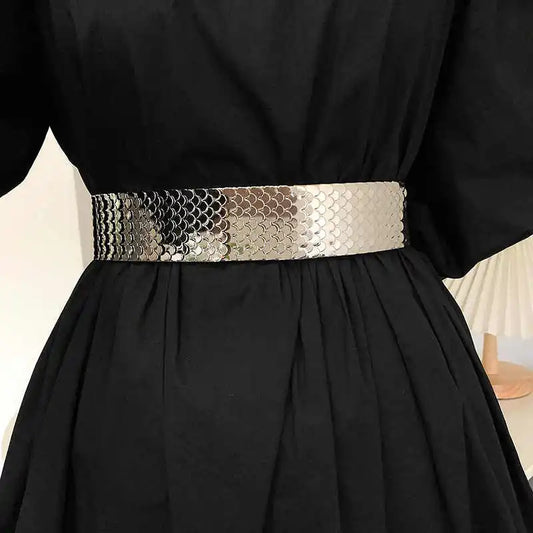
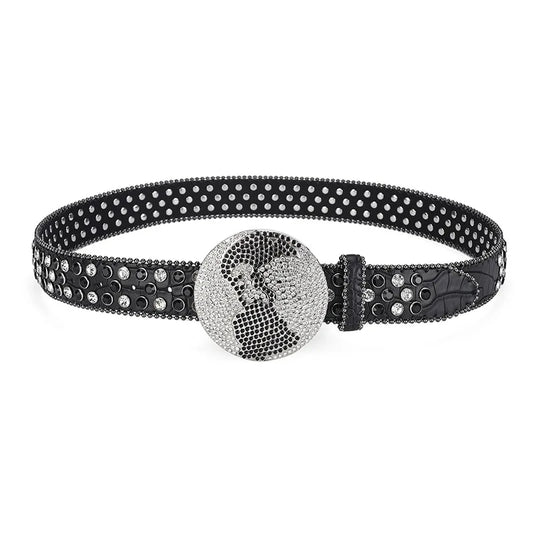
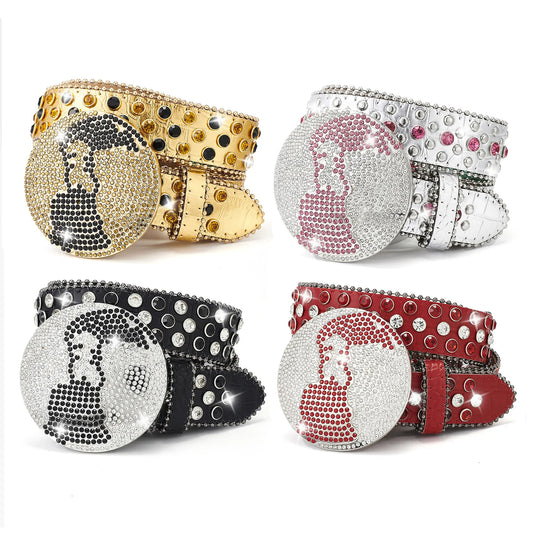
Maxi or flowy dress? Go wider - a 1.5 to 1.75 inch belt with tooling or a concho detail creates shape and anchors the look. Fitted or structured dress? Go narrower - a 1 to 1.25 inch smooth leather belt defines the waist without competing with the dress. High-waisted shorts or denim skirt for a concert? A rhinestone or engraved buckle with a medium-width strap is the formula that works. Festive without tipping into costume territory.
Getting the Fit Right
One of the more reliable ways to size a new belt is to measure one you already wear - from the fold where it meets the buckle to the hole you actually use. That measurement is your true belt size. More accurate than going by pants size, and it cuts down on the guesswork significantly.
Once it's on, a well-fitted belt should buckle at the middle hole, with two holes on either side. You should be able to slide two fingers underneath comfortably without it feeling loose. Between sizes? Go up.