Western & Cowboy Style Leather Belts and Buckles for Men
- Sale price
- $99.99 USD
- Regular price
-
$127.99 USD - Regular price
- $99.99 USD
- Unit price
- per
- Sale price
- $99.99 USD
- Regular price
-
$126.99 USD - Regular price
- $99.99 USD
- Unit price
- per
- Sale price
- $59.99 USD
- Regular price
-
$75.99 USD - Regular price
- $59.99 USD
- Unit price
- per
- Sale price
- $99.99 USD
- Regular price
-
$125.99 USD - Regular price
- $99.99 USD
- Unit price
- per
- Sale price
- $99.99 USD
- Regular price
-
$124.99 USD - Regular price
- $99.99 USD
- Unit price
- per
- Sale price
- $59.99 USD
- Regular price
-
$74.99 USD - Regular price
- $59.99 USD
- Unit price
- per
- Sale price
- $59.99 USD
- Regular price
-
$74.99 USD - Regular price
- $59.99 USD
- Unit price
- per
- Sale price
- $59.99 USD
- Regular price
-
$74.99 USD - Regular price
- $59.99 USD
- Unit price
- per
- Sale price
- $79.99 USD
- Regular price
-
$99.99 USD - Regular price
- $79.99 USD
- Unit price
- per
- Sale price
- $59.99 USD
- Regular price
-
$73.99 USD - Regular price
- $59.99 USD
- Unit price
- per
- Sale price
- $79.99 USD
- Regular price
-
$99.99 USD - Regular price
- $79.99 USD
- Unit price
- per
- Sale price
- $59.99 USD
- Regular price
-
$74.99 USD - Regular price
- $59.99 USD
- Unit price
- per
- Sale price
- $79.99 USD
- Regular price
-
$99.99 USD - Regular price
- $79.99 USD
- Unit price
- per
- Sale price
- $79.99 USD
- Regular price
-
$99.99 USD - Regular price
- $79.99 USD
- Unit price
- per
- Sale price
- $59.99 USD
- Regular price
-
$74.99 USD - Regular price
- $59.99 USD
- Unit price
- per
- Sale price
- $79.99 USD
- Regular price
-
$99.99 USD - Regular price
- $79.99 USD
- Unit price
- per
- Sale price
- $59.99 USD
- Regular price
-
$74.99 USD - Regular price
- $59.99 USD
- Unit price
- per
- Sale price
- $59.99 USD
- Regular price
-
$74.99 USD - Regular price
- $59.99 USD
- Unit price
- per
- Sale price
- $79.99 USD
- Regular price
-
$99.99 USD - Regular price
- $79.99 USD
- Unit price
- per
- Sale price
- $59.99 USD
- Regular price
-
$74.99 USD - Regular price
- $59.99 USD
- Unit price
- per
Once you've seen the products, here's what helps when you're deciding.
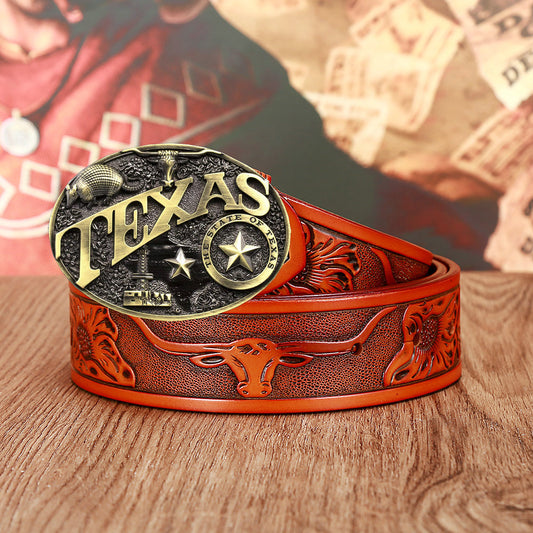
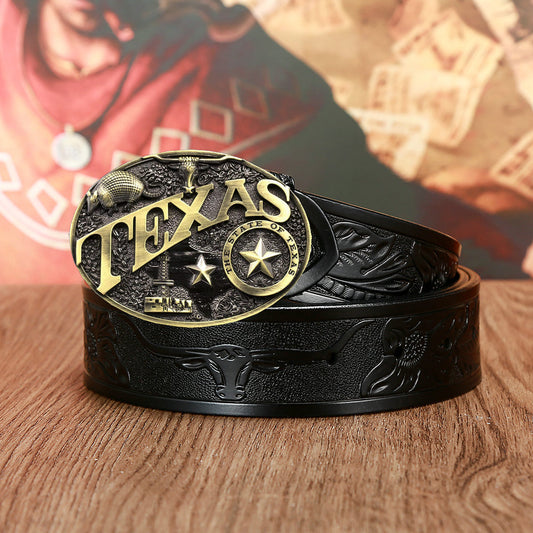
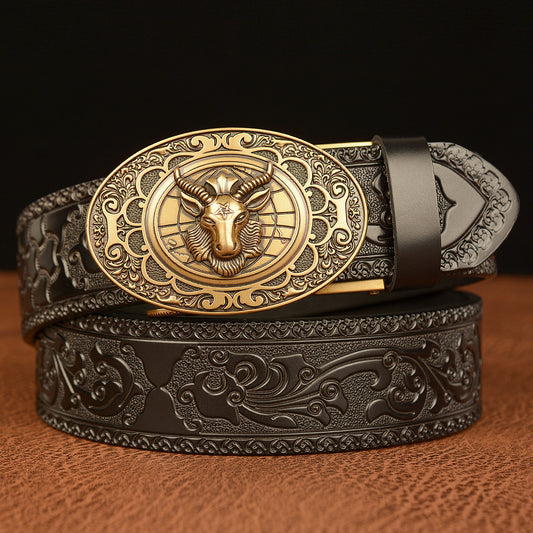
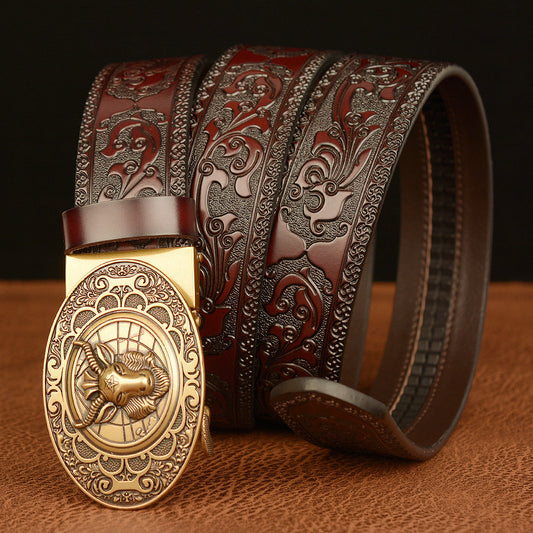
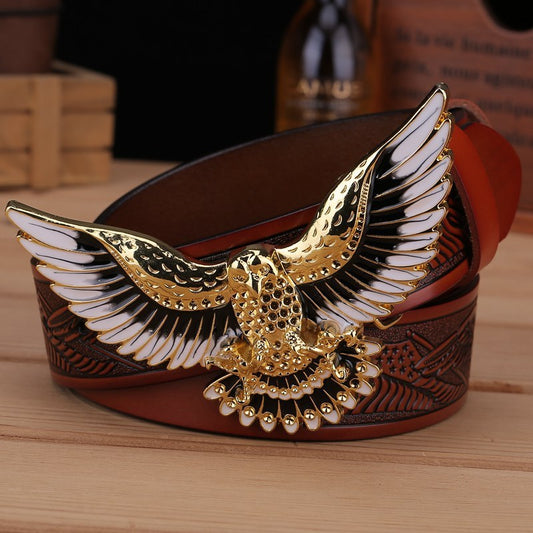
Tooled and embossed leather
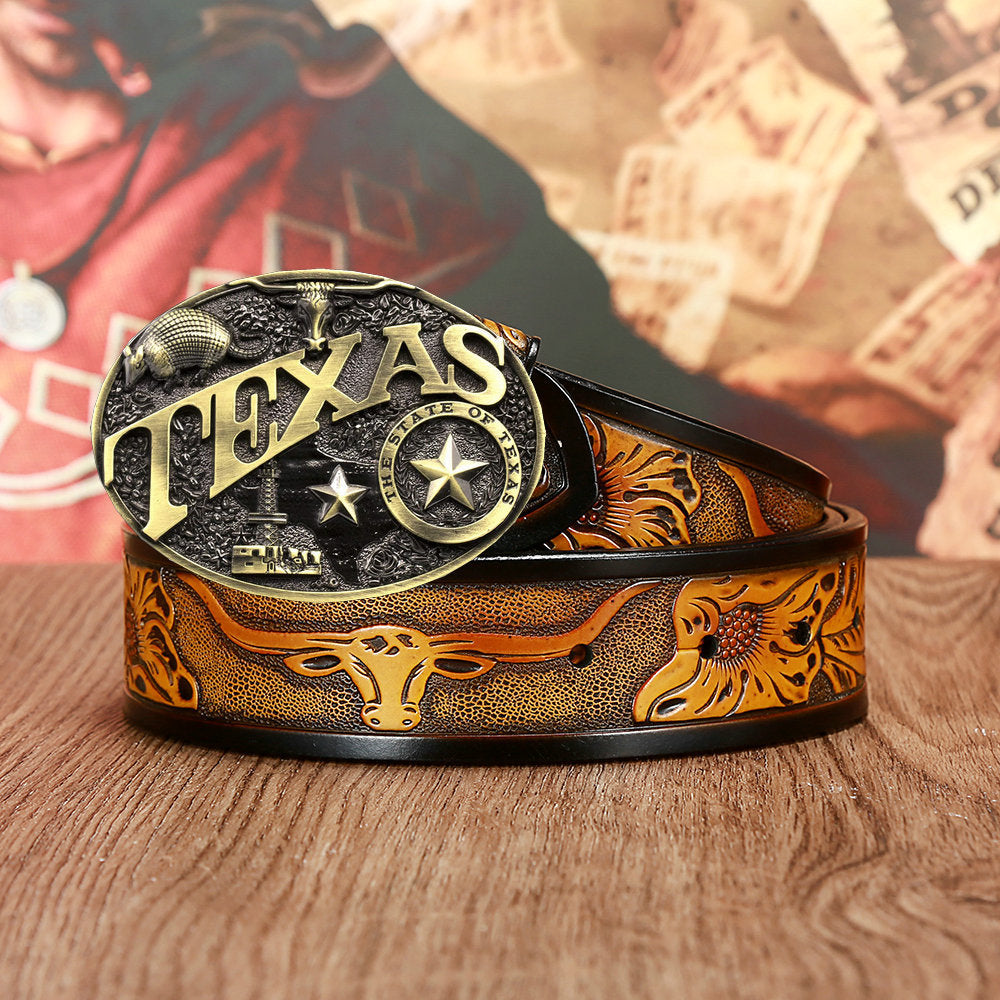
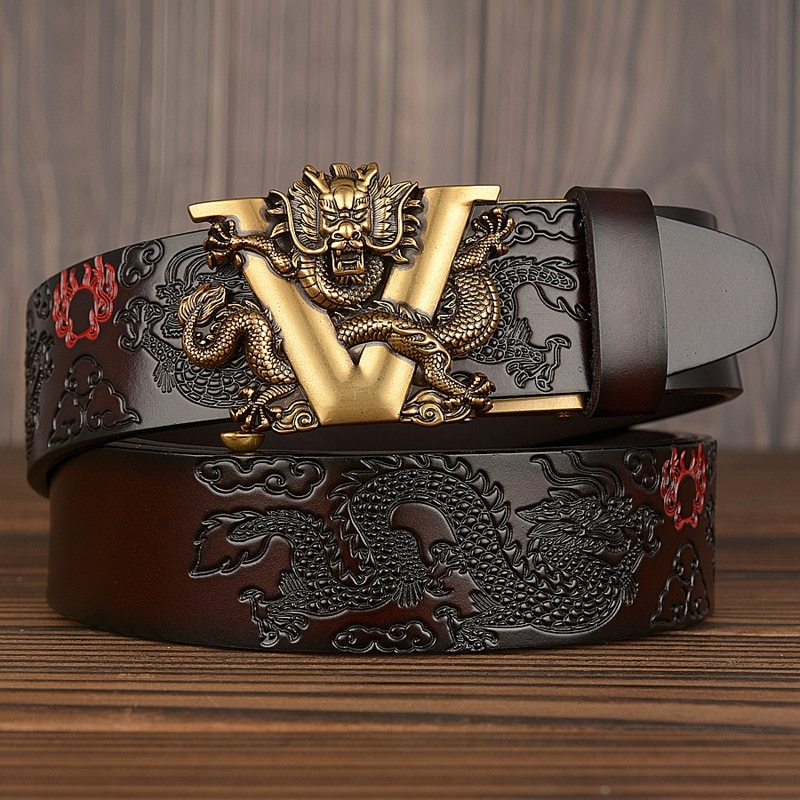
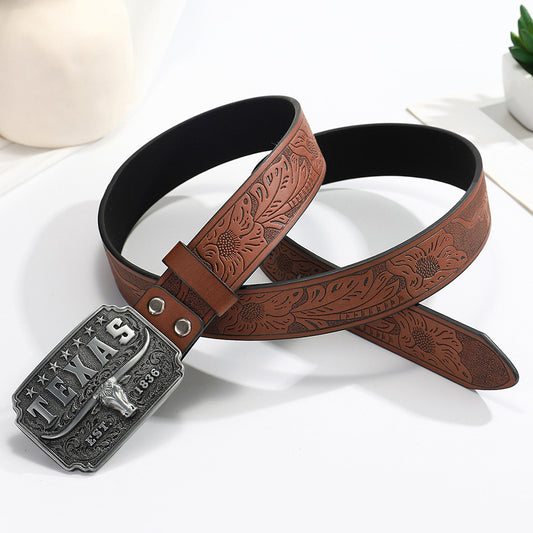
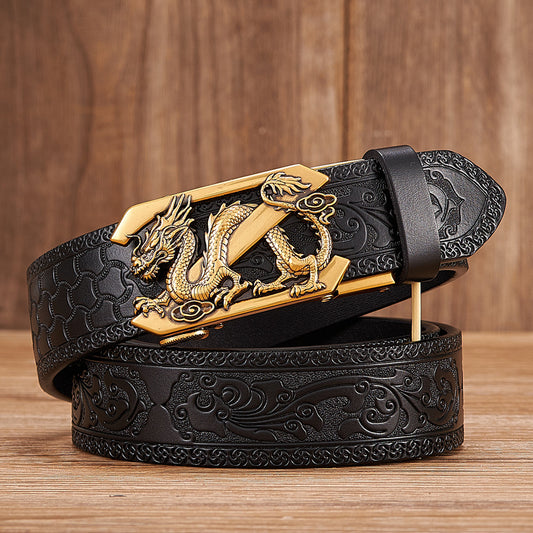
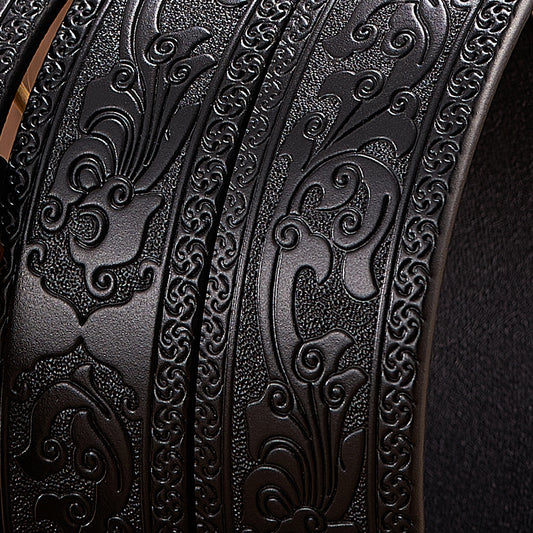
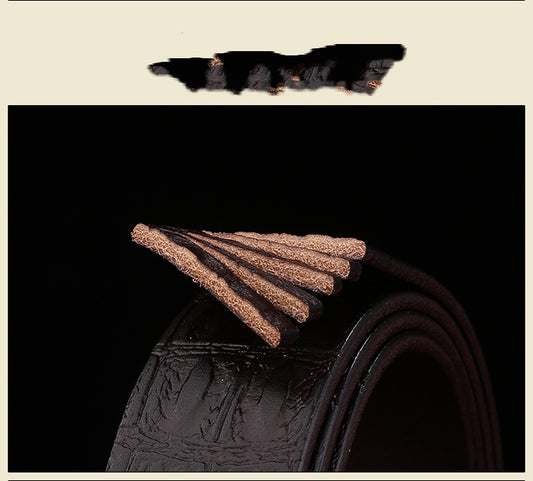
are the two most visually distinct styles in western belt making, and they're not the same thing despite looking similar in photos. Tooled belts are hand-carved - a craftsman uses specialized tools to physically cut floral patterns, rope borders, southwest geometrics, or custom designs directly into dampened leather. The depth and texture are real; you can feel the carving with your fingers. No two tooled belts come out exactly alike. Embossed belts use heat and pressure to press a pattern into the leather surface - consistent across units, sharp-looking, and more affordable. Both work well for a rodeo outfit or a country concert belt look. Want the artisan character and don't mind paying for it? Tooled is the call. Want a clean western aesthetic at a better price point? Embossed delivers.
Ranger and braided styles
are more stripped back. The ranger belt - wider, sometimes double-layered, built with the kind of leather weight that holds its shape under a heavy statement buckle - is the traditional working western silhouette. There's a reason it's been the go-to on ranches for generations. One thing most people overlook: belt width isn't just a style choice. A 1.75" or 2" belt gives a larger buckle the surface area it needs to sit properly without sagging or torquing. A narrow belt under a heavy western buckle will shift all day. Braided styles are a bit more flexible in feel and texture, and pair naturally with lighter denim.
Sizing
is where more returns happen than anything else in this category, so it's worth getting right. Your western belt size is not your pants size. Add two inches to your actual waist measurement - if you wear a 34" waist, you want a 36" belt. Western belts are worn over denim and work pants, and the sizing accounts for that. The buckle should fasten at or near the middle hole, leaving room to go tighter or looser depending on what you're wearing. For belt width and jeans, most standard men's denim is cut with loops that fit 1.5" to 1.75" belts. Ranch and work pants with heavier construction usually accommodate up to 2".
Leather grading
is where a lot of buyers get caught off-guard, especially shopping online. Full-grain leather is cut from the top layer of the hide with the natural grain left intact - the densest, most durable part of the animal. It develops a patina as it ages, meaning the color deepens and the surface becomes richer over time rather than cracking. Top-grain has been buffed on the surface for uniformity, which sacrifices some long-term durability but still performs well. Genuine leather - despite the reassuring name - is the lowest tier. It's thin layers bonded together, and it peels. For a handmade western leather belt meant to last, full-grain is always worth the extra cost.
For buckles: fixed buckles are permanently attached, riveted or stitched in place. Interchangeable buckles use a snap bar on the back so you can swap hardware without tools - useful if you own multiple statement buckles and want one quality belt to anchor all of them. If you're building out a western wardrobe over time, the interchangeable option tends to make more long-term sense.
There's also a growing crossover in this category worth mentioning. Western women have been pulling from men's collections for the wider cuts, heavier leather weights, and ranger-style proportions that most women's belts simply don't offer. The structural difference is real - 10 to 12 oz harness leather holds its shape and sits differently on the body than anything marketed as a fashion belt. If you're shopping for that reason, size down from the standard men's sizing and go by your actual waist measurement rather than adding the usual two inches.
A vegetable-tanned, full-grain belt - maintained occasionally with a leather conditioner - will outlast most things in your closet by a wide margin. Ten to twenty years isn't an exaggeration. The leather doesn't degrade the way bonded or genuine leather does; it evolves. That's what separates a belt you buy once from one you replace every other year.